
Violencias
Destacado
Legisladores de la verdad
“Hermana, yo sí te creo” es una consigna del movimiento feminista que se popularizó en España en reacción al caso de la manada.

Últimas noticias y análisis
Prueba para flyers
Prueba para flyers
Legisladores de la verdad
“Hermana, yo sí te creo” es una consigna del movimiento feminista que se popularizó en España en reacción al caso de la manada.
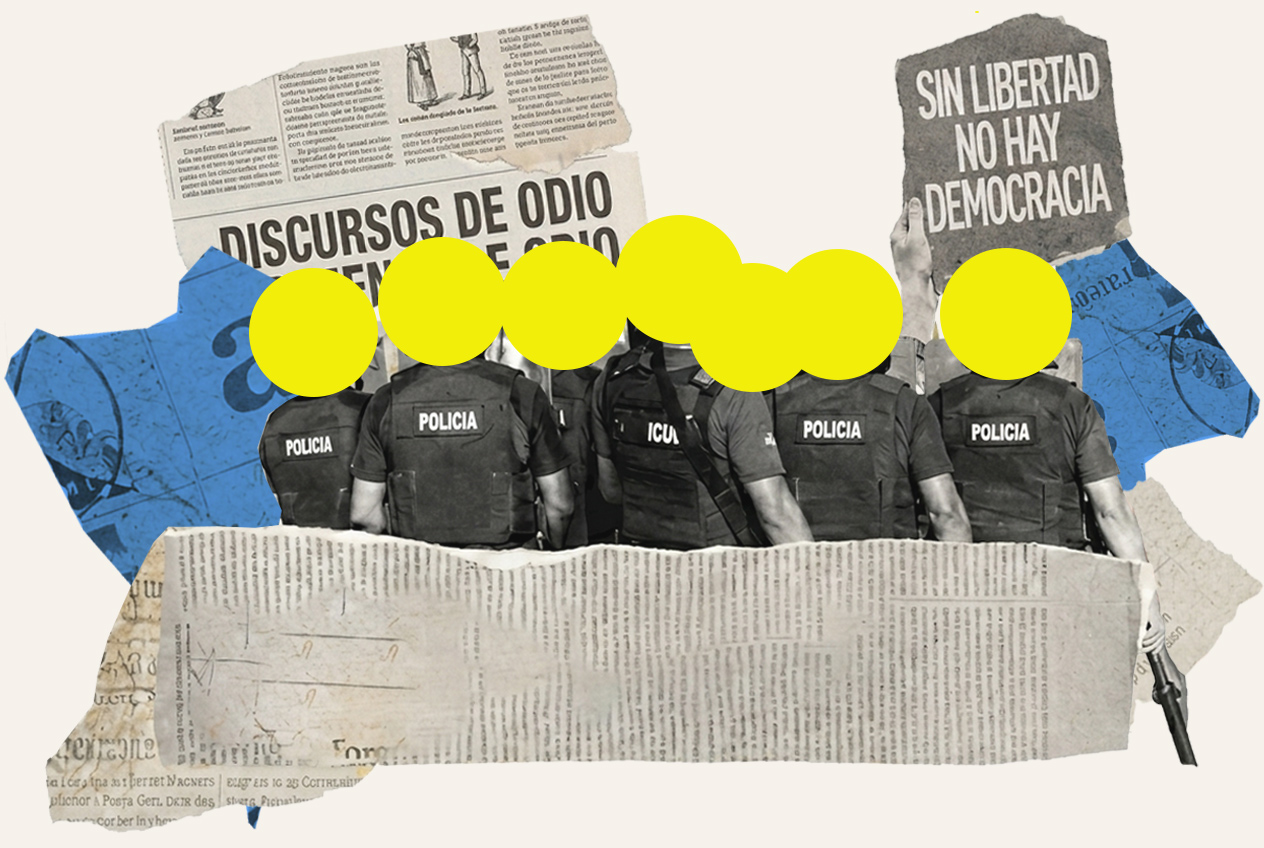
Vanina Biasi: ¿Discurso de odio o crítica política?
Sobre el uso de acusaciones de "discurso de odio" como modo de censura

Violencia de género digital y libertad de expresión
Históricamente, la violencia de género reduce la participación de mujeres en el espacio público.
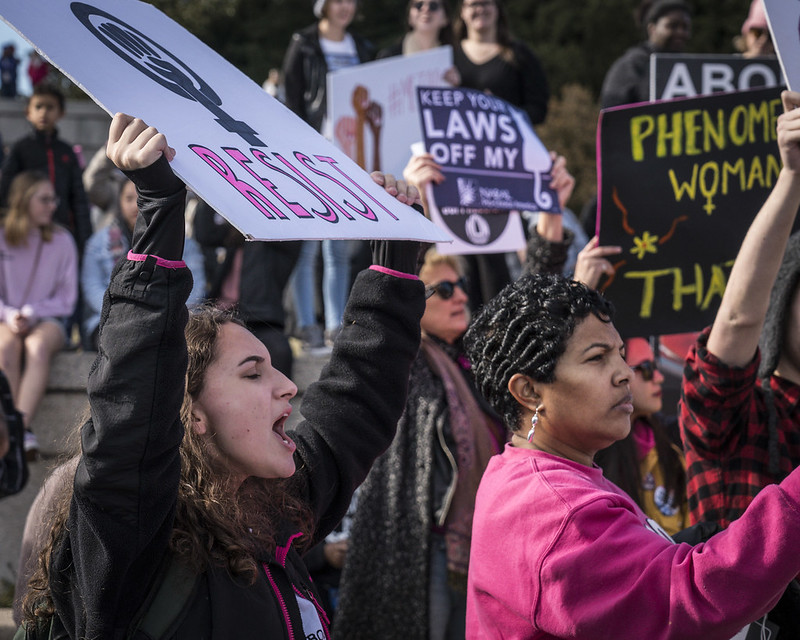
La violencia de género en la vida política de la mujer colombiana y sus desafíos para la libertad de expresión.
Este proyecto de ley llegó a la Corte Constitucional como parte de la revisión automática del control constitucional. Allí, el CELE intervino a través de un amicus curiae para que el alto tribunal pueda estudiar el proyecto, teniendo en cuenta los estándares internacionales como el test tripartito propuesto por la Corte Interamericana de Derechos Humanos (Corte IDH) relacionados a la legalidad, necesidad y …

Two problems for using Human Rights as Benchmarks in Human Rights Impact Assessments
In the last few years, CELE has been looking at how the ICT sector uses Human Rights Impact Assessments (HRIA) and other due diligence practices to assess their own conduct. Through a technical report we built a genealogy of the concept that clearly situated the impact assessments within the United Nations’ voluntary turn, at the beginning of the century, on the relationship between business and human rights. …

Violencia de género digital en Colombia
Un proyecto que preocupa y una sentencia que marca el camino.
Un Protocolo peligroso y excluyente para los reporteros en el Perú
En los últimos años se ha producido un aumento significativo en el número de agresiones contra la prensa en el Perú.

Crímenes de odio y discurso de odio: una breve perspectiva comparada
Desde el CELE consideramos que acercar a los debates que tienen lugar en la región iniciativas legislativas de otras regiones puede enriquecer el debate público y colaborar con las distintas partes interesadas para identificar mejores prácticas en la materia (periodistas, sociedad civil, instituciones gubernamentales y académicas dedicados a la defensa y a la promoción de estos derechos, especialmente en América …

Penar la intolerancia 'male sal' Criticas a la convención Interamericana contra toda forma de Discriminación e intolerancia.
En el CELE decidimos mirar la Convención más de cerca y lo que encontramos nos preocupó. Si bien los fines que persigue la Convención son indiscutiblemente loables, los términos en los que están definidos los alcances de las obligaciones que impone al estado son preocupantes desde la libertad de expresión. Es por ello que decidimos escribir un artículo que salió publicado en el último volúmen de la Revista Argentina …

Proyecto de ley contra el silencio, obstaculizado por congresistas colombianos
En Colombia se discute un proyecto de ley
The #WorldPressFreedomDay conference UNESCO
Are there other framework solutions that we need to focus more on? What are they? Note: here I am thinking of big ideas, not more practical steps. At the level of transparency for intermediaries as a general way forward.
CELE Director, Agustina Del Campo, presentation on the UN Forum on Minority Issues, Nov.19 &20
Thursday 19th, UN 13th session of Forum on Minority Issues. This year, the Forum reunites representatives of States, Civil society, specialists and academics to discuss Hate speech against minorities in social media. Our Director, Agustina Del Campo, was invited to join the panel on the regulatory and institutional framework against hate speech on minority issues. Our panel was asked to address the complementarity …
Publicaciones
Legal Approaches to Hate Speech Within the Internet Ecosystem: Speed, Scope, and Scale
CELE Research Paper No. 70SSRN ID: 5557303The debate over how to de"ne hate speech, particularly in the online world, is far from settled. Defnitions from international documents are still vague and ambiguous, whereas States around the world have been adopting in their respective legal systems diverse definitions of hate speech. In this context, some States may have stepped beyond the thresholds established under international human rights law by using this concept as a way of categorizing ideas that the majority or those in power may f
Moderating Hate or Moderating Rights? The Paradox of the European Approach to Online Hate Speech and Platform Liability
CELE Research Paper No. 69SSRN ID: 5432875This paper critically assesses the European approach to regulating online hate speech through platform liability frameworks, focusing on Germany’’s Network Enforcement Act (NetzDG) and the European Union’’s Digital Services Act. It argues that these laws, while aiming to curb online harm, risk infringing on the right to freedom of expression and non-discrimination by delegating content moderation powers to private, profit-driven companies. The paper highlights how tight removal deadlines, …
Online gender-based violence and freedom of expression: a study of six cases in Paraguay
CELE Research Paper No. 59SSRN ID: 5157887This study focuses on the application and potential misinterpretation of Law 5777/16 in Paraguay, which addresses comprehensive protection for women against all forms of violence, and the use of its precautionary measures in cases of public interest that may negatively impact freedom of expression. The first part of the research analyzes Paraguay’s National Constitution in relation to the protection of freedom of expression, as well as the international standards established by the Inter-America
Freedom of Expression and the Digital Gender Gap in Mexico
CELE Research Paper No. 42SSRN ID: 5152172The digital age has transformed access to information and the exercise of fundamental rights, including freedom of expression. However, a significant digital divide persists, exacerbating existing inequalities, particularly for women and marginalized communities in Mexico. This paper explores the intersection between freedom of expression and the digital gender divide in Mexico, analyzing how limited internet access and technological disparities impact the ability of women and non-binary individ
Criminalization of Discriminatory Expression in the Americas: The Case of Non-Consensual Pornography Regulation in Argentina
CELE Research Paper No. 31SSRN ID: 5146360This article, based on a contribution to the 2018 report of the United Nations Special Rapporteur on violence against women, addresses the growing trend in Latin America toward the criminalization of online speech. Often, initiatives that pursue well-intentioned objectives of combating discrimination and violence can, paradoxically, impact the rights of the very groups they seek to protect. In this regard, this paper analyzes, from a freedom of expression perspective, the specific case of legisl