
Regulación y tecnología
Destacado
Acceso a datos para investigadores
Participamos junto a InternetLab en el proceso de consulta con comentarios a una versión preliminar de este reglamento.
Últimas noticias y análisis
Acceso a datos para investigadores
Participamos junto a InternetLab en el proceso de consulta con comentarios a una versión preliminar de este reglamento.
La integridad de la información, ¿un proyecto irrealizable?
La integridad de la información es un concepto confuso, que resulta vago y ambiguo y que ---como tal--- es poco útil para pensar en la gobernanza del ecosistema digital.

WSIS+20: en riesgo el legado en materia de derechos humanos
Obstáculos a la participación significativa de la academia y la sociedad civil pone en riesgo el legado en materia de derechos humanos.
El juego no mirado: sobre avances en políticas antitrust
Una mirada al juego paralelo del antitrust, en Estados Unidos y Europa

Risks and Rewards: CELE y CiTiP co-organización sesión sobre riesgos sistémicos y derechos fundamentales en el Digital Services Act
Discusión en KU Leuven sobre el enfoque basado en riesgos y sus problemas

Towards a regulatory threats comparative research agenda
It was our pleasure to host this online Symposium on regulatory threats

Threats of regulation are complex, but not enough to prevent oversight
Threats of regulation are a complex mechanism operating in all societies and sectors.
Jawboning and lawboning: comparing platform-state relations in the US and Europe
The concept of ‘jawboning’ refers to scenarios where the government pressures online services to moderate user content in ways going beyond
When does the bully pulpit become regular bullying?
Among the most important stories of the past generation is the transformational impact that the user-generated web, and social media platforms in particular, have had o
Threatening dynamics on Internet governance: the case of Europe and the Digital Services Act (DSA)
Threatening dynamics on Internet governance: the case of Europe and the Digital Services Act DSA As part of their research on the topic, CELE has characterized a threat of regulation as “any kind of public or private utt
This is hard
I’ve been writing about jawboning and free expression law for half a dozen years.
La suspensión de X en Brasil
Entre la soberanía y la censura

OSINT e inteligencia artificial: una mirada regional sobre una combinación explosiva
OSINT e inteligencia artificial: una mirada regional sobre una combinación explosiva El viernes 26 de julio de 2024, mediante Resolución 710/2024https://www.boletinoficial.gob.ar/detalleAviso/primera/311381/20240729, el
Actividades del CELE en Europa y el estado del debate sobre la DSA
Actividades del CELE en Europa y el estado del debate sobre la DSA El CELE, representado por su investigador Nicolás Zara, participó durante la última semana de junio del European Rights & Risks: Stakeholder Engagement F
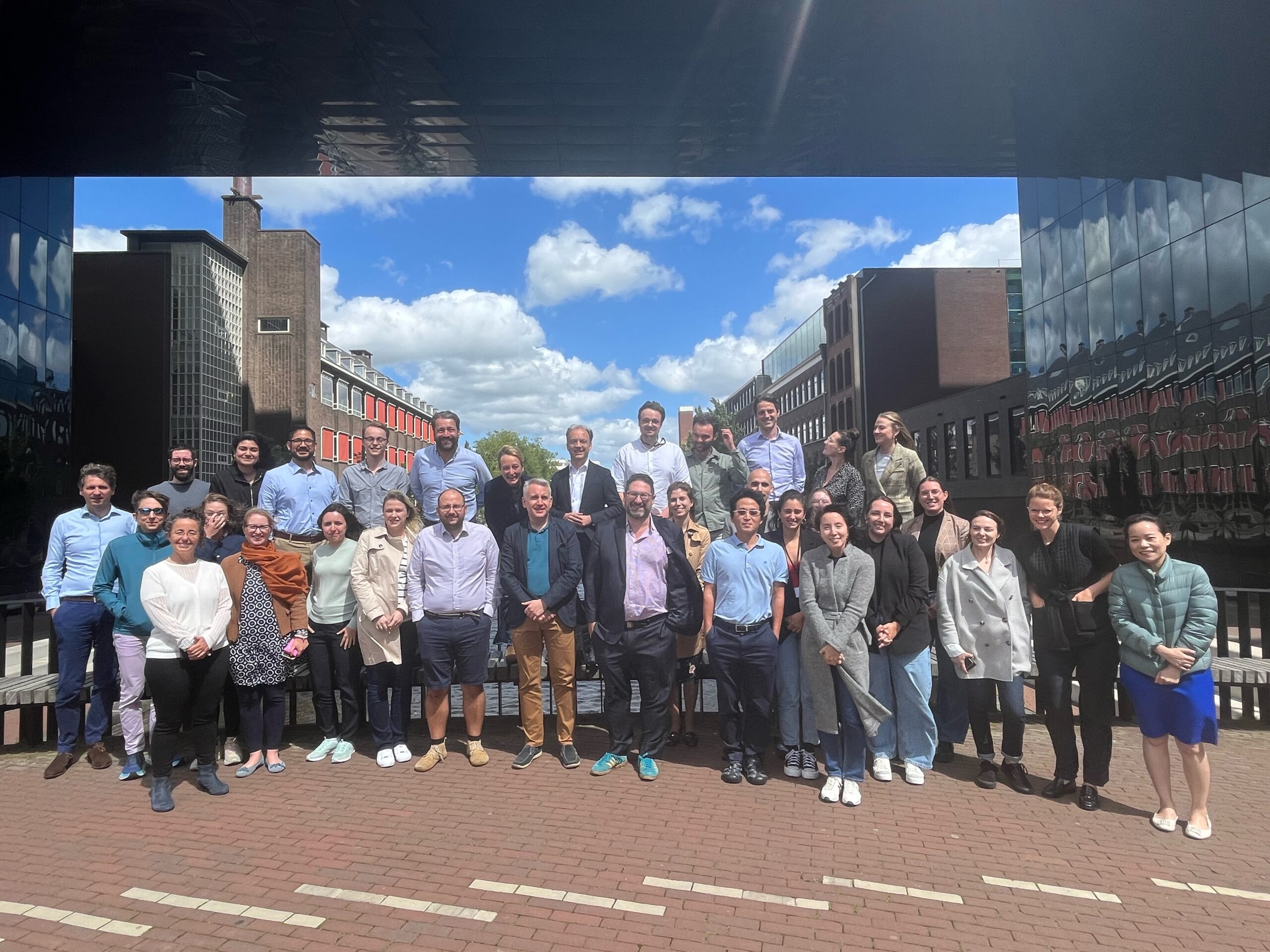
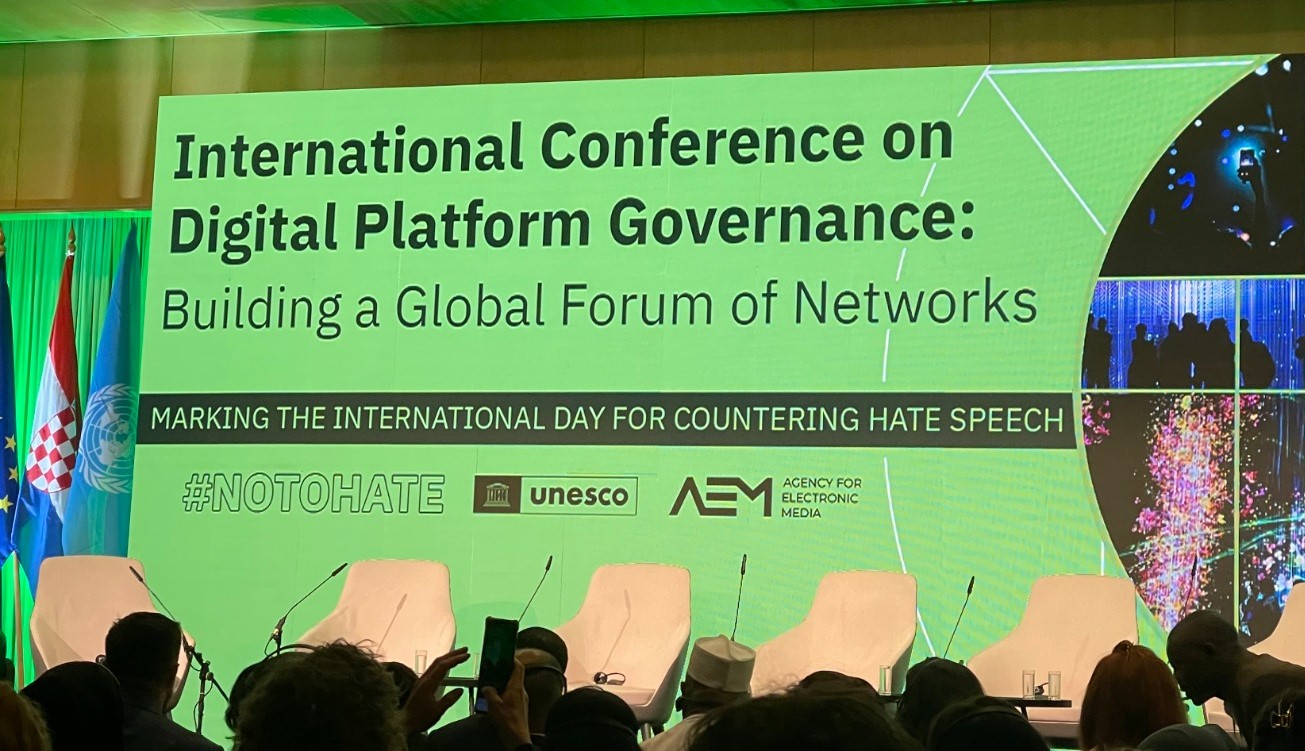
Participación del CELE en la International Conference on Digital Platform Governance
Algunas notas sobre un evento en Croacia sobre ""Building a Global Forum of Networks" de la UNESCO".
TikTok bajo amenaza en Estados Unidos y la Unión Europea
¿Qué implicaciones tiene para la libertad de expresión?

Indefiniciones y buenas intenciones
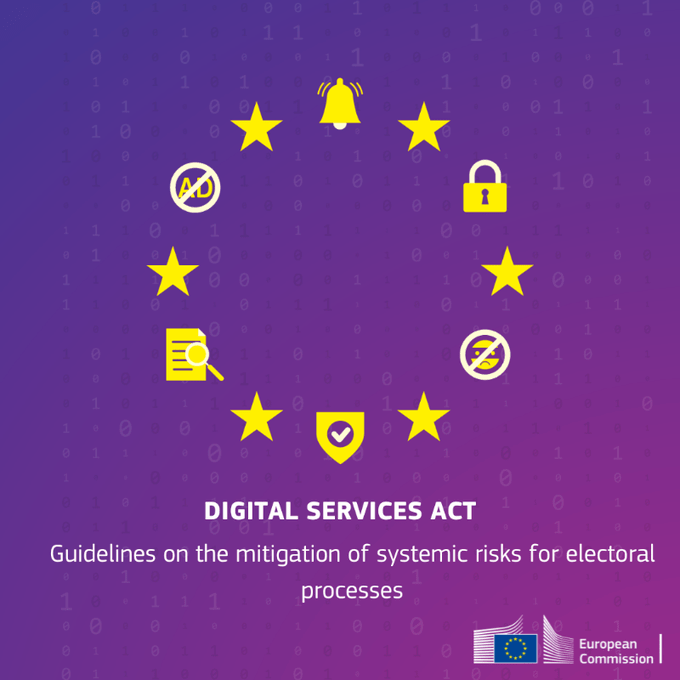
Las directrices de la Comisión Europea para la mitigación de riesgos sistémicos en contexto de procesos electorales
Algunas notas sobre Net Mundial+10, diez años después
El evento de NetMundial+10 terminó en un documento de declaración que ratifica gran parte de los principios anunciados hace diez años en la primera edición del evento.

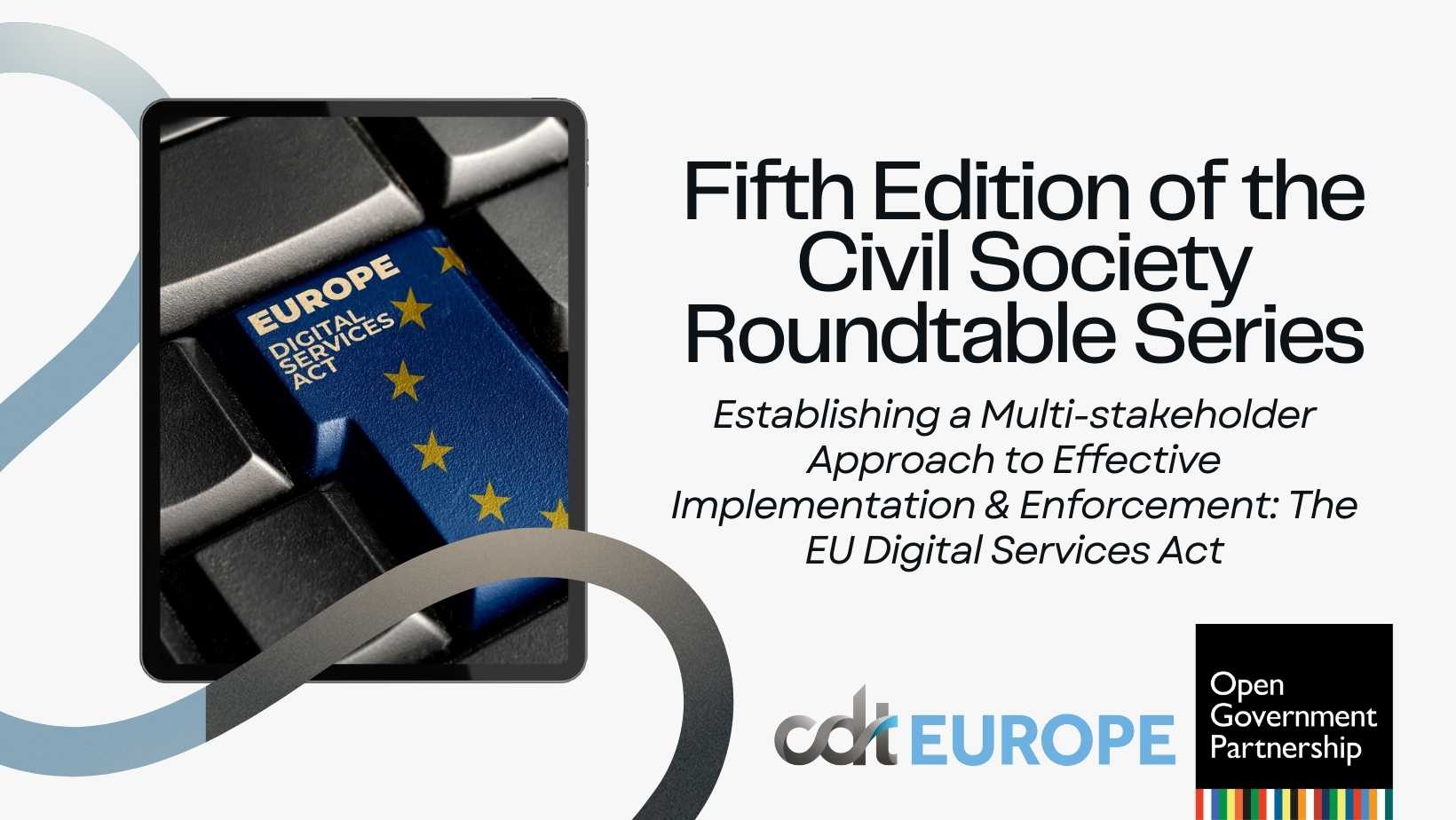
Participación del CELE en la quinta edición de la Civil Society Roundtable Series en Bruselas: la Sociedad Civil al frente
Participación del CELE en la quinta edición de la Civil Society Roundtable Series en Bruselas: la Sociedad Civil al frente
La ciberseguridad como saco de fuerza en el marco regulatorio de México
En México resurgió la discusión sobre la regulación de la ciberseguridad por la presentación de dos proyectos de ley: el Proyecto de Ley Federal de

¿Activismo judicial o salvaguardia democrática? Los nuevos límites de la propaganda electoral digital en Brasil
¿Activismo judicial o salvaguardia democrática? Los nuevos límites de la propaganda electoral digital en Brasil Contexto General El 1 de marzo de 2024, el Tribunal Superior Electoral de Brasil (en adelante TSE) publicó 12 resoluciones que regirán las elecciones de 2024 destinadas a elegir a los alcaldes y concejales de los 5.568 municipios del país para el período 2025-2028. Las resoluciones electorales brasileñas …

Seminario en Leiden
Entre la crítica y el rescate del discurso de derechos humanos para la gobernanza de Internet
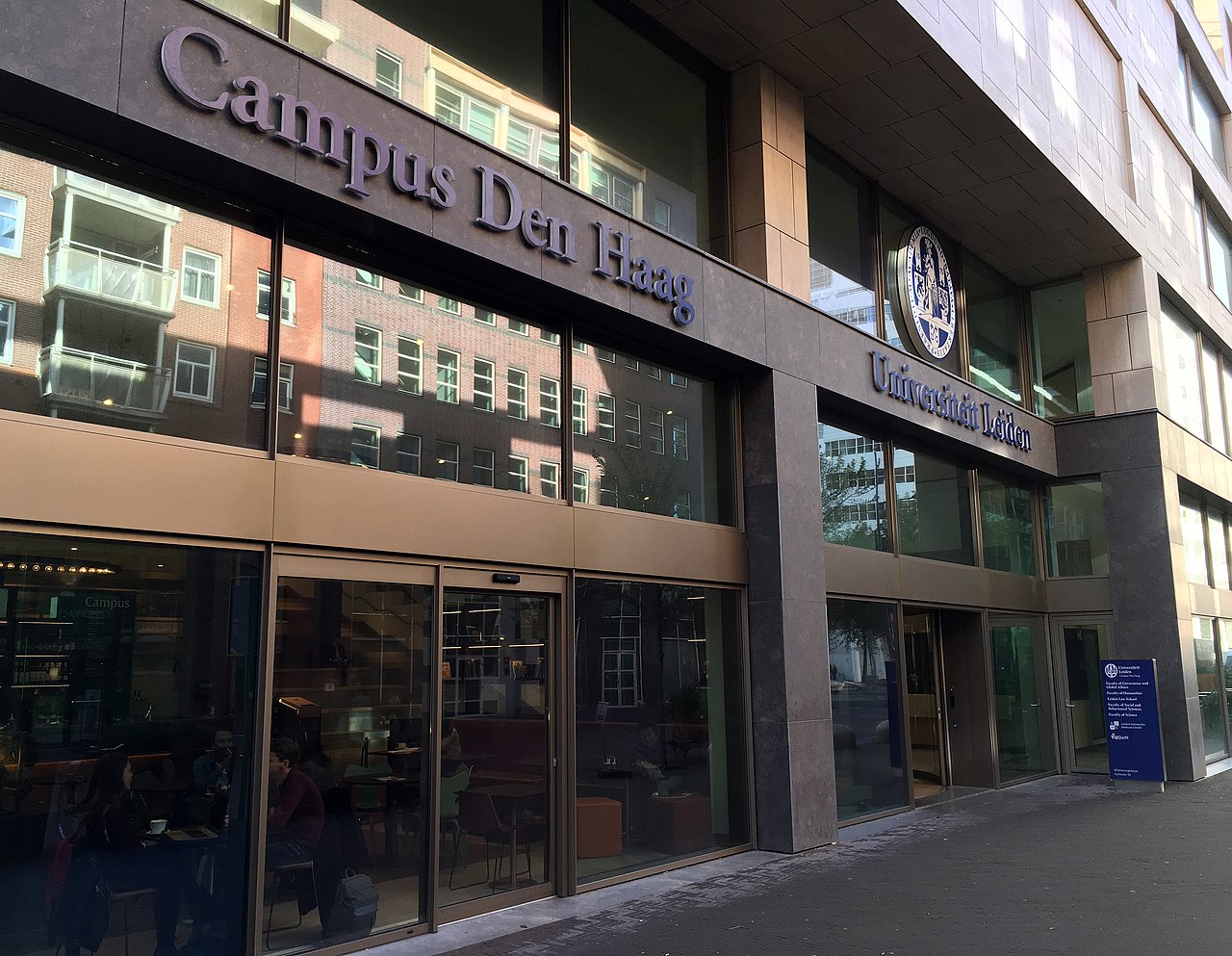
Entusiasmo, expectativa e incertidumbre: la participación del CELE en la DSA and Platform Regulation Conference en los Países Bajos
Entusiasmo, expectativa e incertidumbre: la participación del CELE en la DSA and Platform Regulation Conference en los Países Bajos

Comentarios del CELE a la consulta de la CE sobre la implementación de informes de transparencia de empresas en la Ley de Servicios Digitales de la Unión Europea
Comentarios del CELE a la consulta de la CE sobre la implementación de informes de transparencia de empresas en la Ley de Servicios Digitales de la Unión Europea
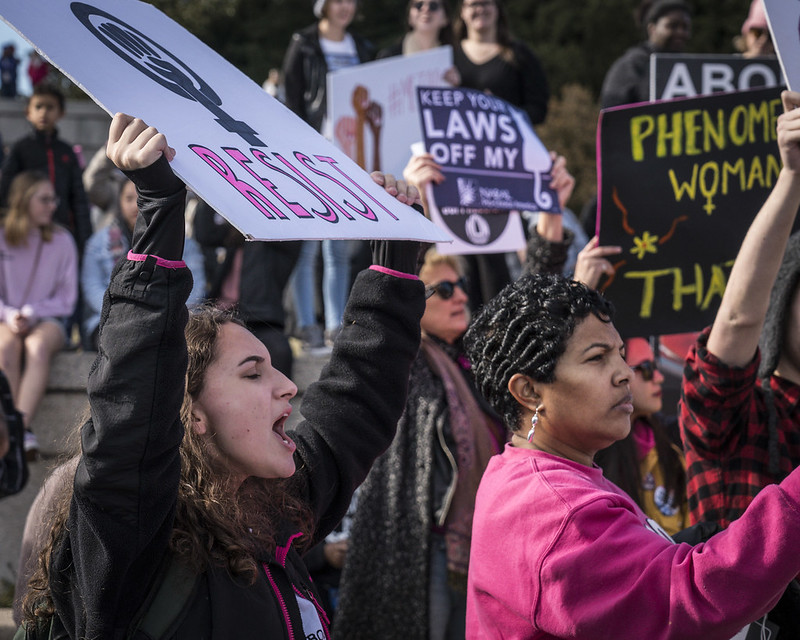
La violencia de género en la vida política de la mujer colombiana y sus desafíos para la libertad de expresión.
Este proyecto de ley llegó a la Corte Constitucional como parte de la revisión automática del control constitucional. Allí, el CELE intervino a través de un amicus curiae para que el alto tribunal pueda estudiar el proyecto, teniendo en cuenta los estándares internacionales como el test tripartito propuesto por la Corte Interamericana de Derechos Humanos (Corte IDH) relacionados a la legalidad, necesidad y …

¿Cómo se está pensando la regulación de la inteligencia artificial en Colombia?
Hasta la fecha, en Colombia se han presentado siete proyectos de ley que pretender regular de forma integral el desarrollo y aplicación de inteligencia artificial (IA). Las propuestas van desde la promoción de la transparencia hasta la prevención de riesgos. No obstante, dejan tantas preocupaciones que sugieren que su redacción ha sido apresurada. Este artículo presenta brevemente los proyectos, sus principales …

Beyond Ethics: Why a Rights-Based Framework is Essential for AI Governance
In recent years, the issue of AI governance has gained significant attention, with various proposals and initiatives aiming to regulate and addre

El liderazgo ¿estéril? de Brasil
Una de las principales preocupaciones del CELE es seguir de cerca los procesos regulatorios que afectan a Internet, bajo la premisa de que éstos determinan lo que Internet es para nosotro
El CELE celebró la edición 2023 de su taller en Buenos Aires
Los días 26 y 27 de julio se realizó en Buenos Aires la edición número 11 del taller “Por una mejor regulación de Internet en América Latina”, organizado por el CELE.
Why Engaging with Trust and Safety Matters: CELE's Contributions to the Digital Trust and Safety Partnership Glossary
Why Engaging with Trust and Safety Matters: CELE's Contributions to the Digital Trust and Safety Partnership Glossary Trust and Safety plays a vital role in the digital world, encompassing a range of practices used by pr

Challenges to Majority World Participation in European Union's Data Access for Platform Researchers Consultation
Challenges to Majority World Participation in European Union’s Data Access for Platform Researchers Consultation Introduction Article 40 of the Digital Services Act (DSA) enables vetted public interest researchers to access data from very large online platforms with over 45 million active users in the European Union (EU). The EU recently opened a submission period for comments on the implementation of data …
Violencia de género digital en Colombia
Un proyecto que preocupa y una sentencia que marca el camino.
Regulación de plataformas en Brasil
Necesidad, peligros y contradicciones.
CELE en el Día Mundial de la Libertad de Prensa
UNESCO mejora su borrador sobre regulación de plataformas, pero se necesitan más esfuerzos en el proceso
CELE at World Press Freedom Day: UNESCO is improving its draft on platform regulation, but more work is needed to enhance the process
The latest version of the draft guidelines, published on April 27th, constitutes a significant improvement in this regard, as mentions of vague and overly broad concepts such as “content that risks significant harm to democracy” or “harmful” and “toxic” content have been eliminated or significantly reduced.
Los requisitos de presencia comercial en la DSA
El pasado 4 de octubre el Consejo de la Unión Europea aprobó la Ley de Servicios Digitales (Digital Services Act o DSA por sus siglas en inglés) la cual pretende regular la responsabilidad de las empresas sobre la moderación de contenido, aumentar la transparencia, proteger la privacidad de los usuarios y regular demás servicios que se desarrollan dentro del ámbito digital. Esta ley merece ser analizada y discutida …

Contenido legal pero dañino y poca previsión en la supervisión
La semana pasada tuve el honor y el gusto de participar en la conferencia organizada por Columbia Global Freedom of Expression Program: Regulating the online
10º aniversario del Taller CELE en Buenos Aires
La semana pasada se realizó en la ciudad de Buenos Aires la 10ma edición del taller “Por una mejor regulación de internet en América Latina”, organizado por el CELE. Tuvimos el honor de recibir a casi 40 representantes de organizaciones que estudian, trabajan y promueven la defensa de derechos humanos en el ámbito digital en nuestra región. A lo largo de estos últimos 10 años han participado más de 300 representantes …
El camino de las normas de derecho a la comunicación y derechos digitales en la propuesta de Nueva Constitución de Chile
Las expectativas en todos los temas eran muchas. Se trata de una nueva constitución que no solo busca terminar con la Constitución heredada de la Dictadura de Pinochet, sino que busca dar solución o abarcar una serie de demandas sociales básicas, que ponen en evidencia situaciones de desigualdad e inequidad acumuladas por décadas, pero también relevar aspectos clave como la participación y reconocimiento sobre …

Crímenes de odio y discurso de odio: una breve perspectiva comparada
Desde el CELE consideramos que acercar a los debates que tienen lugar en la región iniciativas legislativas de otras regiones puede enriquecer el debate público y colaborar con las distintas partes interesadas para identificar mejores prácticas en la materia (periodistas, sociedad civil, instituciones gubernamentales y académicas dedicados a la defensa y a la promoción de estos derechos, especialmente en América …

Penar la intolerancia 'male sal' Criticas a la convención Interamericana contra toda forma de Discriminación e intolerancia.
En el CELE decidimos mirar la Convención más de cerca y lo que encontramos nos preocupó. Si bien los fines que persigue la Convención son indiscutiblemente loables, los términos en los que están definidos los alcances de las obligaciones que impone al estado son preocupantes desde la libertad de expresión. Es por ello que decidimos escribir un artículo que salió publicado en el último volúmen de la Revista Argentina …
La batalla por la inclusión es más que lingüística
Como puede verse, estamos frente a una discusión que no es meramente lingüística, sino que es eminentemente política y legal. Estamos hablando de palabras o de letras que operan en una lengua establecida con el pretendido objetivo de brindar visibilidad, representatividad y evitar la discriminación y desigualdad. Quizá por razones no del todo disímiles es que Brigitte Vasallo advierte que para lograr estos cambios el …
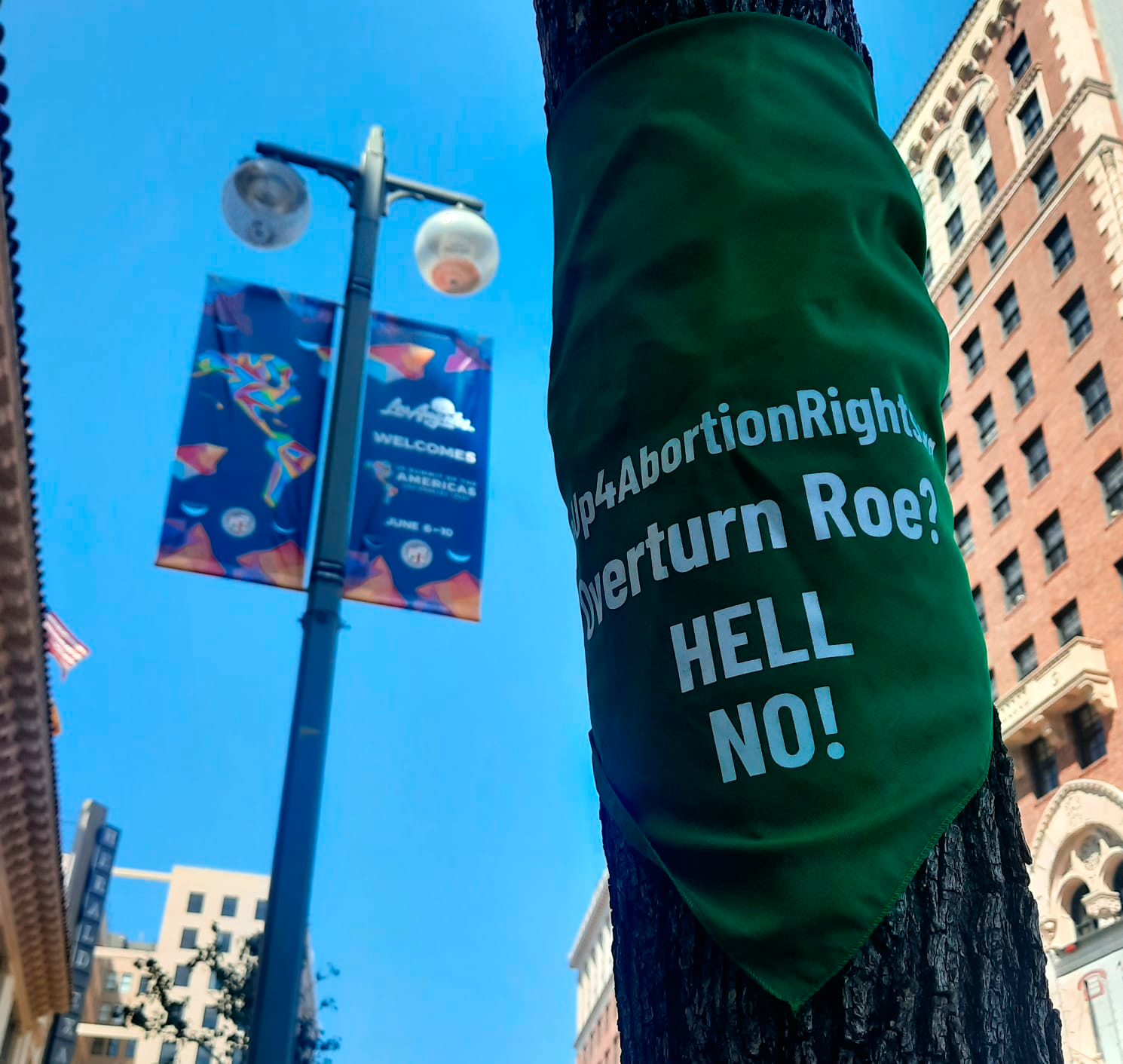
¿Qué cambios podemos esperar de las plataformas sin Roe v. Wade?
Vemos aquí cómo una decisión judicial, que reivindica iniciativas legislativas tendientes a criminalizar no solo el aborto sino cualquier medida que pueda entenderse como favorable al aborto, impactó en la información que circula en redes sociales en torno al tema. Con el objetivo de evitar responsabilidad civil e incluso penal por el contenido que permiten brindar en sus servicios, las empresas comenzaron a …
Polítika vs. Prensa: Fotografía de una batalla
La fotografía se completa con los intereses y pugnas subyacentes. Así como en las guerras solo ganan los vendedores de armas, en la batalla entre política y prensa, solo triunfan los enemigos de la libertad de expresión.

No todo daño debe ser reparado
Llegados a este punto, podemos concluir que la libertad de expresión protege una serie de acciones dañosas y que por lo tanto no alcanza con que se verifique una afectación para calificar al contenido como manifiestamente ilícito ni para que se dispare la obligación de reparar. Esto no quiere decir, por supuesto, que el daño y la obligación de reparar por ciertas expresiones estén disociadas. Si bien haber sido …

La jurisprudencia como una red que crece
Durante el 2021, desde el CELE llevamos adelante una investigación sobre la jurisprudencia civil en materia de responsabilidad de intermediarios.
Sobre el secreto de las fuentes periodísticas
Hace algunas semanas que la justicia argentina pide al periodista Santiago O’Donnell la entrega de las cintas de grabación en las que registró conversaciones con Mariano Macri, hermano del ex presidente, que sirvieron de base para su libro Hermano. La decisión es del juzgado nacional en lo civil No. 6 y es contraria a numerosos precedentes judiciales de instancias más relevantes—-cámaras de apelaciones, …

No todos los usuarios son iguales (ni deberían serlo)
El discurso de funcionarios públicos y personas públicas puede ser igualado desde la perspectiva del potencial daño. Pero no es igual. Los funcionarios públicos tienen obligación de pronunciarse sobre ciertos temas por su labor, tienen obligaciones de decir verdad en ciertas instancias, y tienen penas incluso agravadas por manifestar falsedades. Como comprobamos con E Bertoni en un paper reciente, los actos …

Proyecto de ley contra el silencio, obstaculizado por congresistas colombianos
En Colombia se discute un proyecto de ley
¿Restringir el debate para proteger la democracia?
En conclusión, el proyecto de ley que busca sancionar expresiones “negacionistas” tiene serios problemas en términos de libertad de expresión y por ello daña la calidad de nuestra esfera pública. Si nos interesa la democracia es porque nos permite discutir sobre las reglas que nos rigen como comunidad. Prohibir la discusión sobre esas reglas en nombre de la democracia simplemente no tendría sentido.

“Mirando Al Sur: Hacia nuevos consensos regionales en materia de responsabilidad de intermediarios y moderación de contenidos en Internet”.
¡Nueva publicación! “Mirando Al Sur: Hacia nuevos consensos regionales en materia de responsabilidad de intermediarios y moderación de contenidos en Internet”. El reporte ha sido preparado por Derechos Digitales y el CEL

@CELEUP #RightsScon Schedule
RightsCon https://www.rightscon.org/ celebra sus 10 años en los derechos humanos en la era digital y el @CELEUP forma parte una vez más de los eventos a los que convoca. Este año se realizara 100% desde la virtualidad po
Desglosando la nueva regulación europea contra la difusión de contenido terrorista en línea
El pasado miércoles 28 de abril, el Plenario del Parlamento Europeo aprobó la regulación sobre la lucha contra la difusión de contenidos terroristas en líneahttps://data.consilium.europa.eu/doc/document/ST-14308-2020-REV

The #WorldPressFreedomDay conference UNESCO
Are there other framework solutions that we need to focus more on? What are they? Note: here I am thinking of big ideas, not more practical steps. At the level of transparency for intermediaries as a general way forward.
Sobre el “negacionismo” como delito penal
Entiendo que el proyecto tiene pocas chances de ser aprobado, pero merece cierta reflexión por al menos tres motivos. Primero, porque introduce al derecho penal como herramienta estatal en la construcción del proceso de memoria respecto de los crímenes de la última dictadura militar, y en ese sentido implica un cambio significativo respecto de las estrategias adoptadas hasta el momento. Segundo, porque al hacerlo …

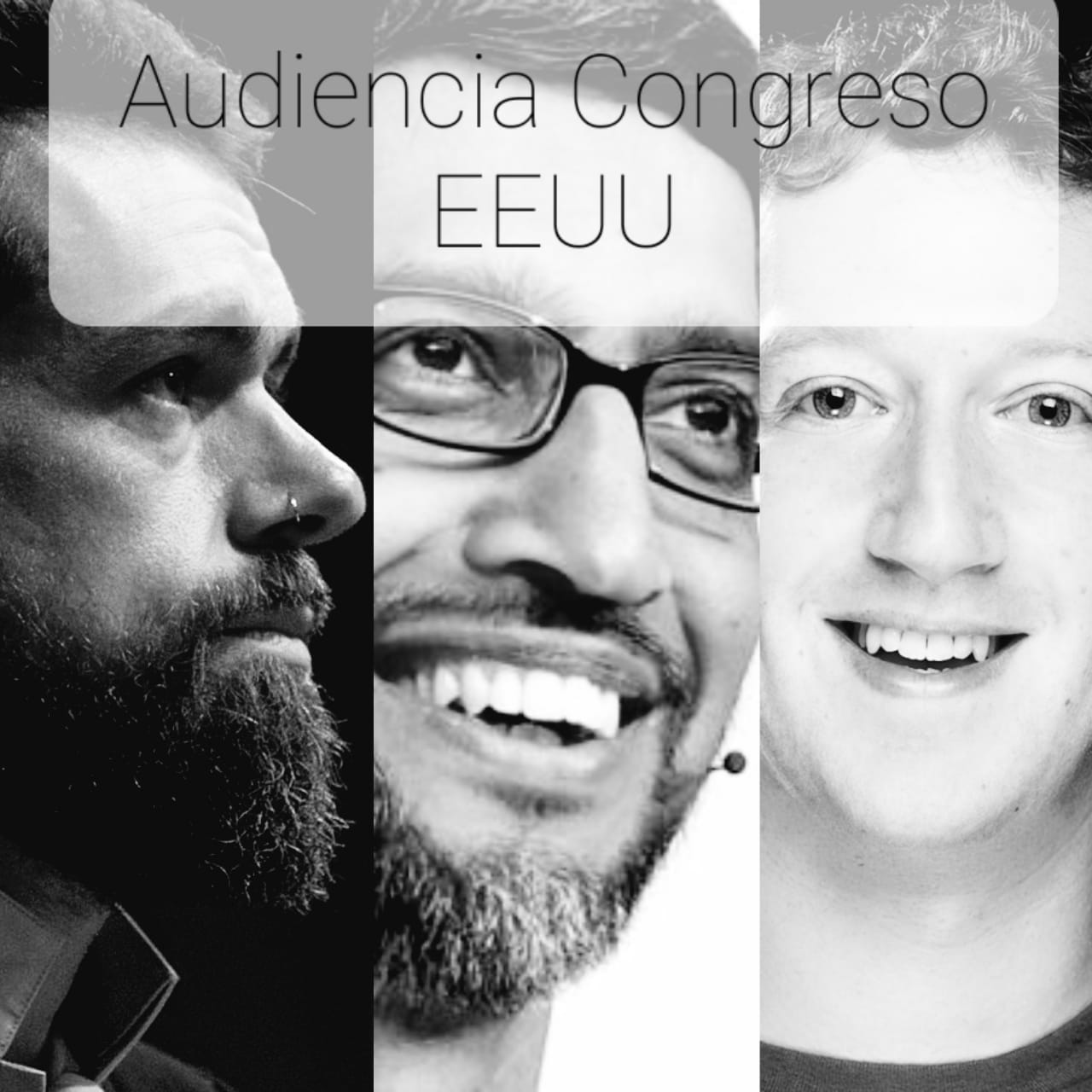
Lo bueno, lo malo y lo feo de la audiencia de las plataformas ante el Congreso de EE. UU.
Para conocer más sobre cómo las redes sociales controlan actualmente la desinformación, le recomendamos visitar letrachica.
Relatoría Especial para la libertad de Expresión
Desde el CELE, celebramos este primer paso que está dando la Comisión para adentrarse en esta problemática y que lo haga con un proceso de diálogo abierto y multisectorial. De cara a este proceso que comienza resulta fundamental por un lado acercar a los Estados a este diálogo, en vista del creciente interés legislativo que existe en la materia; promover la participación de toda la región, incluido el Estado y la …
Informe Legislativo Latam 2020/21
A partir de este año desde el Observatorio Legislativo del CELE estaremos subiendo un resumen de la actividad legislativa mensual y/o novedades regulatorias, decisiones judiciales o de moderación de contenido privada que ocurran en los 9 países que forman parte del Observatorio Legislativo, ofreciendo contexto y links vinculados a los temas de inter

Informe Anual 2020
En 2020, el CELE junto con su equipo de investigadores y colaboradores produjo más de 11 artículos académicos en sus distintas áreas de investigación. Le dimos continuidad al Observatorio Legislativo, el único repositorio de normas y proyectos de ley en materia de libertad de expresión en la región. Además, desde el iLEI iniciamos dos proyectos nuevos de investigación. El primero, dedicado al estudio de la …
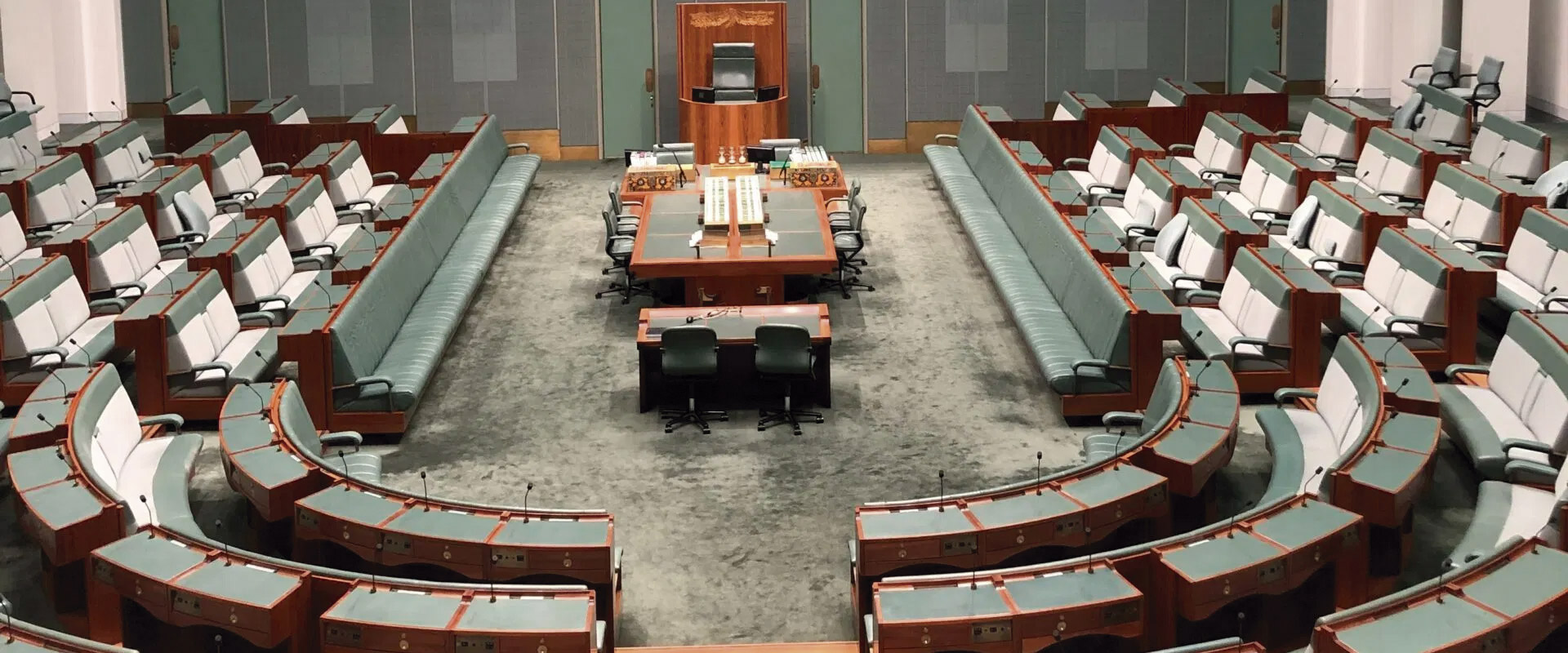
Nueva mesa parlamentaria en el #IGF2020.
Asimismo, esta falta de autocrítica pareciera replicarse en el punto Confianza en los Parlamentarios, al obviar destacar cómo el comportamiento de los/as propios/as parlamentarios/as y la poca transparencia que revisten los mecanismos legislativos en distintos países han afectado la confianza (o la falta de ésta) de la ciudadanía en éstos/as. Finalmente, si bien destacamos la incorporación del segmento anual de alto …
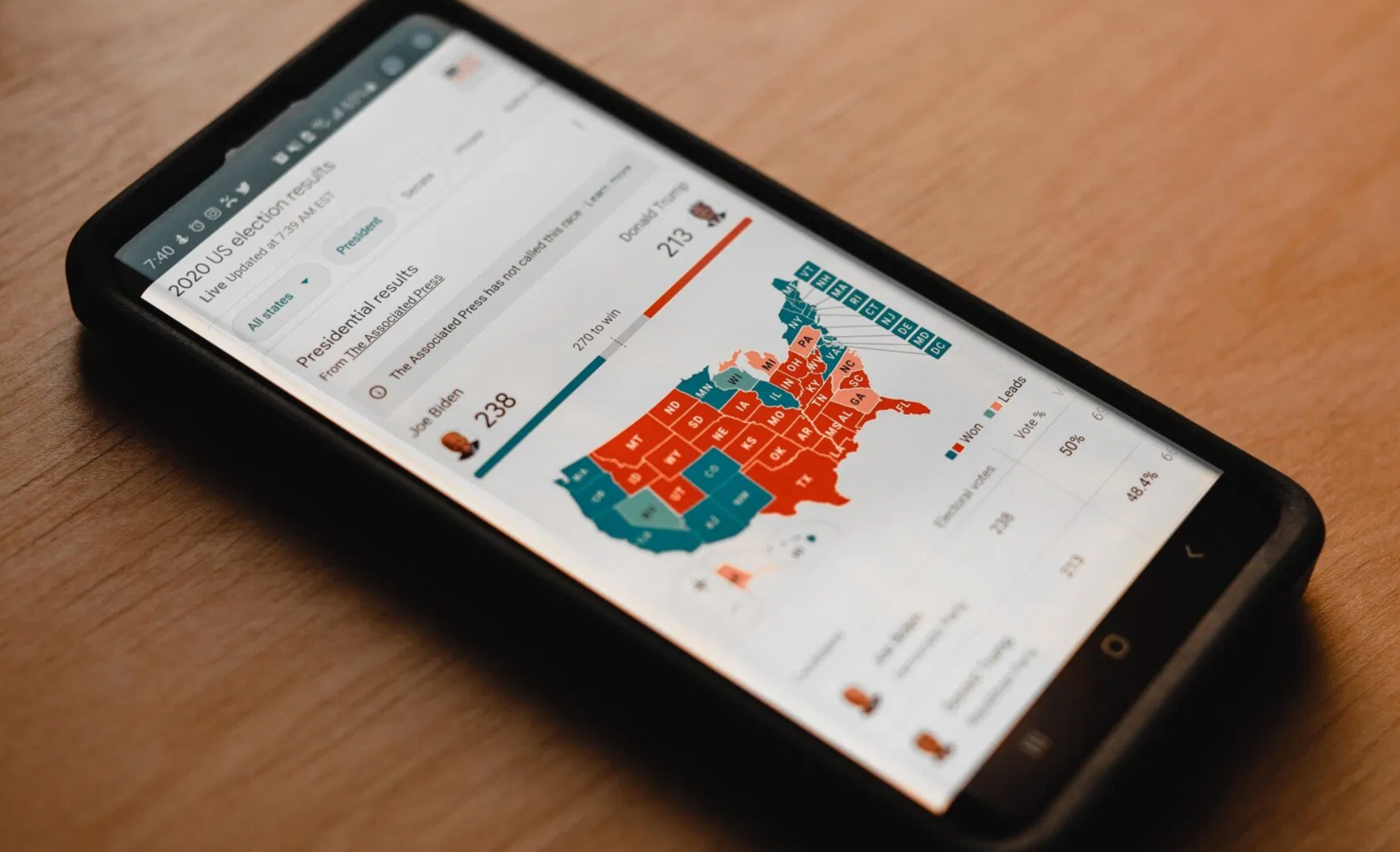
Las redes sociales el día después de las elecciones en EE.UU.
Les dejo unas preguntas para hacernos el día después de que terminen las elecciones en EE.UU., ¿es el temor el que debe guiar el desplazamiento de las líneas rojas que protegen los discursos políticos, nuestro derecho a informarnos y a conocer a quienes quieren dirigirnos durante las elecciones? O ¿son las reglas del proceso electoral las que deben garantizar que esto suceda favoreciendo más información, no menos?, …
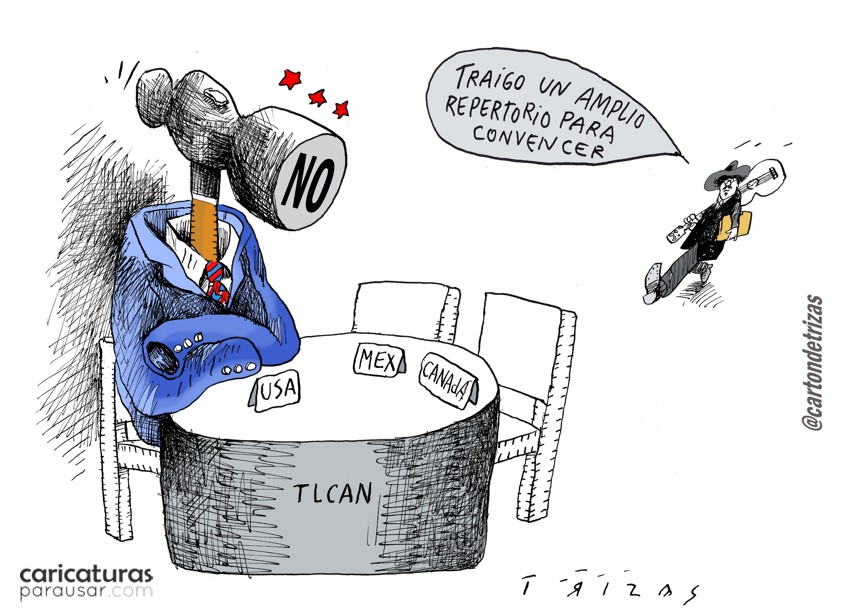
El T-MEC Mexicano 2020: Prácticas y lecciones
La experiencia mexicana con el T-MEC recientemente muestra a las claras la relevancia de la gobernanza multisectorial de internet. También muestra acabadamente la necesidad de dar debates amplios y sustanciosos en materia regulatoria, particularmente cuando ella impacta derechos humanos. El Sistema Interamericano requiere a los Estados que cualquier limitación a la libertad de expresión esté amparada y claramente …
Argentina Conectada Bis. Mejores practicas y lecciones aprendidas del ejercicio 2020
En pos de una efectiva aplicacion de politicas publicas, la revision de las lecciones aprendidas en experiencias previas es condicion necesaria. La intervencion debe tener objetivos viables, ser de caracter legitimo a través de la posibilidad de monitoreo y acceso a la información pública, ser transparente en cuanto al uso de fondos. Debe contar con la participación de pluralidad de actores de todos los sectores …

#platformlaw: ¿Cómo funcionan las apelaciones a la moderación privada de contenidos?
Por interés público: Quizás la distinción en torno al interés público sea más útil para informar decisiones de priorización. Si la conversación o el contenido es de interés público, debería poder priorizarse. Este tipo de determinaciones probablemente surja, sin embargo, del cruce de dos o más criterios de los que ya mencionamos: Contexto local/regional; carácter de la persona (público privada), relevancia de la …

Gobernanza de internet y poder judicial
¿Por qué cuesta tanto que el poder judicial se acerque a estos foros? Si hay un interés desde los espacios de gobernanza en que el poder judicial participe y desde los operadores judiciales en interiorizarse en las cuestiones relacionadas a internet, ¿dónde estamos fallando? ¿Qué oportunidad de debate y conversación nos estamos perdiendo? Quizás este posteo pueda, por lo menos, servir como una invitación al poder …

Covid-19: Protección de datos y acceso a internet durante la pandemia
Ecuador sigue sin adoptar medidas para proteger y regular los datos de los ciudadanos, así como tampoco logra garantizar la conectividad a toda la población

Colombia - CNE: Otra aproximación a la regulación de la campaña electoral en redes sociales
El Consejo Nacional Electoral CNE en Colombia adelantó una investigación contra uno de los candidatos a alcalde de Tarqui Huila en las elecciones de octubre de 2019, porque usó su cuenta personal de Facebook en mayo de 2
Taller "Por una mejor regulación de internet en América Latina - #CELE20"
Los invitamos a participar de la 8va edición del taller del CELE “Por una mejor regulación de internet en América Latina”. Este año más que nunca cobra relevancia el saber sobre nuestros derechos digitales, qué pasa con
The Brazilian Congress approach to disinformation and platform regulation puts freedom of expression at risk
The COVID-19 pandemic and the political crisis following it in Brazil sparked legislative efforts to address disinformation issues and platform regulation.

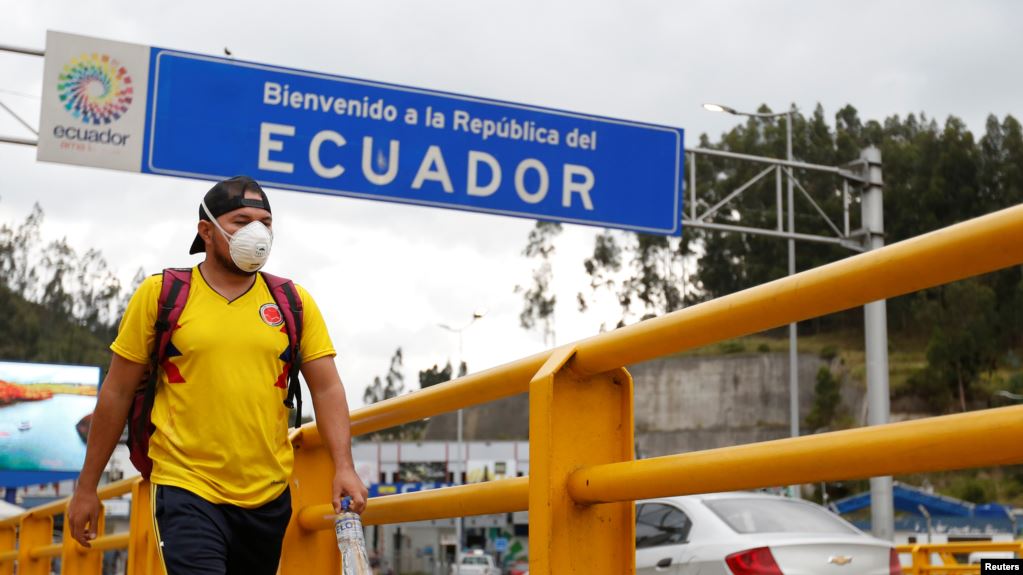
Coronavirus: protección de datos y confidencialidad en Ecuador
La emergencia sanitaria mundial por la difusión del virus COVID-19, ha llevado a los gobiernos de los países más afectados a adoptar medidas para frenar el avance del virus. Las restricciones a la movilidad, el cierre de
Sentencia histórica de la Corte Constitucional del Ecuador
Durante el gobierno de Rafael Correa, las medidas de presión contra medios de comunicación tuvieron diferentes formas. Más allá de la aprobación de la Ley de Comunicación, conocida como ‘ley mordaza’, y el escarnio públi

¿El “buen uso” de las redes sociales?
En octubre del año pasado se presentó en el Congreso de Colombia un proyecto de leyhttps://observatoriolegislativocele.com/colombia-proyecto-de-ley-sobre-regulacion-del-buen-uso-y-funcionamiento-de-redes-sociales-y-sitio

Presentación del Observatorio en México
Presentación del Observatorio Legislativo en Libertad de Expresión en México Juan Carlos Arjona Estévez En marzo pasado, se presentó en México el Observatorio Legislativo en Libertad de Expresión, el cual es coordinado p
Directiva Europea de Derechos de Autor
La Directiva Europea de Derecho de Autor y su impacto en los usuarios de América Latina y el Caribe: una perspectiva desde las organizaciones de la sociedad civil El CELE junto a otras organizaciones que forman parte del
Algunas tendencias a nivel regional
¿Qué nos dice el estado de la regulación actual? En líneas generales, a nivel regional, podemos observar algunas conclusiones y tendencias comunes a todos los países analizados ofreciendo un contexto a los gráficos que p

Bienvenida al Blog del #ObservatorioCELE!
Queremos darles la bienvenida al Blog del Observatorio Legislativo del CELE! Esta nueva sección será un espacio para compartir novedades, curiosidades y análisis vinculados a los debates legislativos que están ocurriendo


Publicaciones
Rullying by Bullying. Threats of regulation as an internet governance device
Internet Policy Review, Vol. 15, No. 1.Government by regulation structures how constitutional democracies normally operate. Legislatures and executive agencies enact formal rules that govern conduct, embodying the ideal of government by laws rather than by individuals. Yet regulators also govern through threats of regulation. When public officials seek to alter private behavior, they may warn regulated actors that failure to comply will trigger new or stricter rules. These warnings can achieve regulatory goals without the adoption of formal rules. …
Legal Approaches to Hate Speech Within the Internet Ecosystem: Speed, Scope, and Scale
CELE Research Paper No. 70SSRN ID: 5557303The debate over how to de"ne hate speech, particularly in the online world, is far from settled. Defnitions from international documents are still vague and ambiguous, whereas States around the world have been adopting in their respective legal systems diverse definitions of hate speech. In this context, some States may have stepped beyond the thresholds established under international human rights law by using this concept as a way of categorizing ideas that the majority or those in power may f
Moderating Hate or Moderating Rights? The Paradox of the European Approach to Online Hate Speech and Platform Liability
CELE Research Paper No. 69SSRN ID: 5432875This paper critically assesses the European approach to regulating online hate speech through platform liability frameworks, focusing on Germany’’s Network Enforcement Act (NetzDG) and the European Union’’s Digital Services Act. It argues that these laws, while aiming to curb online harm, risk infringing on the right to freedom of expression and non-discrimination by delegating content moderation powers to private, profit-driven companies. The paper highlights how tight removal deadlines, …
Global AI Governance: Who Regulates, with what Approach, and for Whom?
CELE Research Paper No. 67SSRN ID: 5311517This report presents a mapping of the main international, regional and national regulatory initiatives on artificial intelligence. In a scenario characterized by a growing normative competition to define regulatory models in the subject, most initiatives have points in common but—in many cases—differ in their approaches and their legal framing. We observe a consolidated trend towards regulatory frameworks focused on the risks involved in the development and implementation of technology, wher
Reclaiming Human Rights for Platform Governance: Proposals for Restoring Their Centrality in the Era of Risks
CELE Research Paper No. 66. Publisghed in Proceedings of Fourth European Workshop on Algorithmic Fairness, in Proceedings of Machine Learning Research 294:265-280 Available from https://proceedings.mlr.press/v294/del-campo25a.html.SSRN ID: 5265938The Digital Services Act can potentially become a tool for change toward a more rights-abiding, competitive European digital platform ecosystem. However, as it currently stands, it is prone to be misused as a powerful tool for censorship as well as a tool to displace human rights as the backbone of the rule of law in modern democracies. Its risk-based and “new governance” approach to regulation puts rights on the back burner, and, while paying lip service to them, takes them off the center stage
Regulatory Modeling. Tracking the Influence of the Digital Services Act in Latin America
CELE Research Paper No. 63; Latin American Journal of European Studies, 2025[ 10.51799/2763-8685v5n1017 ]SSRN ID: 5197380This article discusses the Digital Services Act (DSA) of the European Union as a possible candidate for a process of regulatory modeling, one of the mechanisms through which the laws of a country or a region migrate to other countries. It is a relatively usual global phenomenon, in which it is possible to expect certain dynamics, such as the prevalence of central countries or the advantages of first movers. In this work we argue that Latin American legislators are showing signs of wanting to imi
Are Risks the New Rights? The Perils of Risk-based Approaches to Speech Regulation
16 (2025) JIPITEC 238SSRN ID: 5161173This paper discusses the risk-based approach of the Digital Services Act (DSA) of the European Union. By embracing open-ended standards instead of rules and by imposing broad risk-identification and mitigation obligations on private parties, the DSA pushes forward a form of managerial co-regulation that is a paradigmatic shift in platform regulation, that has already influenced other regulatory proposals around the globe. This paper argues that the move is consequential from the perspective of t
On the Metaphor of Social Media as a Public Forum in the United States
CELE Research Paper No. 60SSRN ID: 5158664The goal of this study is to define the scope of the public forum doctrine in the United States and assess its applicability to social media. Although this research is conducted from a Latin American perspective, the focus on the United States is justified for two reasons. First, one of the earliest explicit references to social media as public forums emerged in the United States. Second, the United States has a well-established body of case law on the public forum doctrine, where its nuances an
Online gender-based violence and freedom of expression: a study of six cases in Paraguay
CELE Research Paper No. 59SSRN ID: 5157887This study focuses on the application and potential misinterpretation of Law 5777/16 in Paraguay, which addresses comprehensive protection for women against all forms of violence, and the use of its precautionary measures in cases of public interest that may negatively impact freedom of expression. The first part of the research analyzes Paraguay’s National Constitution in relation to the protection of freedom of expression, as well as the international standards established by the Inter-America
Open Source Intelligence (OSINT) and Human Rights in Latin America: A comparative Report on Argentina, Brazil, Colombia, Mexico, and Uruguay
CELE Research Paper No. 57bSSRN ID: 5157855The use of OSINT by the state for surveillance purposes presents specific challenges regarding human rights. These tools can lead to violations of fundamental rights and are often employed outside the boundaries of legality. As this study will show, their use is generally unregulated, and where regulations do exist, they are inadequate. Under broad and vague definitions, intelligence and security authorities monitor open sources of information on the internet, such as social networks, blogs, mag
Platform Oversight: A Neglected Link in Internet’s Regulatory Futures
CELE Research Paper No. 56SSRN ID: 5157829Since the mid-2000s, there have been multiple and wide-ranging proposals for traditional regulation, co-regulation, and self-regulation of digital platforms and Internet companies. The proliferation of regulatory proposals, framework agreements between states and companies, and unilateral commitments by multiple companies have generated a system of rules of a different legal nature that impact the functioning and conduct of the Internet intermediary ecosystem. Still, while substantive standards
Requiring the Local Presence of ICT Companies: An International Human Rights Law and International Economic Law Perspective
CELE Research Paper No. 55SSRN ID: 5157351Recently, we have seen a proliferation of laws and legislative proposals worldwide that impose the creation of some form of legal-commercial link or local connection between information and communication technology (ICT) companies—mainly social media platforms—and the countries where they operate. Depending on the case, the chosen method to achieve this objective involves requiring a commercial presence, appointing a local representative, localizing data, or hiring local personnel. These initiat
The Regulation of Freedom of Expression in Latin America: Findings, Trends, and Legislative Challenges
CELE Research Paper No. 53SSRN ID: 5157165For more than a decade, various legislatures across Latin America have been enacting laws and proposing initiatives aimed at directly or indirectly regulating the digital space. These spaces are an essential part of the personal, political, and cultural lives of millions of people. Moreover, they serve as arenas where a wide range of human rights, including freedom of expression, are exercised and enjoyed. This evolving landscape raises a fundamental question: how does internet regulation impact
Legislation and its Effects: Some Experiences from Comparative Law
CELE Research Paper No. 52SSRN ID: 5156714Assessing the impact of enacted laws in terms of human rights is particularly relevant when considering freedom of expression. The role of state regulations in shaping public debate has been a central concern for those who have reflected on freedom of expression from the outset. Regardless of differing views on the state’s role in protecting this right, it is undeniable that the state is a key actor. Therefore, it is essential to have mechanisms that allow us to evaluate the consequences of its
Looking South: Towards New Regional Consensus on Internet Intermediary Liability
CELE Research Paper No. 49SSRN ID: 5154647In Latin America, there is no consensus on the appropriate regulations for dealing with internet intermediary liability. The Office of the Special Rapporteur for Freedom of Expression of the OAS established regional guidelines for regulating intermediary liability in 2013 and 2016, aiming to protect freedom of expression. However, these guidelines have not been successfully incorporated into the domestic regulatory frameworks of various countries, with the exception of Brazil. In general terms,
Analysis of the Debate Process on Legal Initiatives for Personal Data Protection and their Conflicts with the Right to Freedom of Expression: The Cases of Argentina and Ecuador
CELE Research Paper No. 47SSRN ID: 5154545Over the past decades, several Latin American countries have debated legislative proposals aimed at regulating the protection of personal data and privacy, driven by the growing developments in information and communication technologies. These advances have revealed that existing legislation is insufficient to safeguard individuals from potential threats to these rights in a digital environment, leading to the proposal of specific legislative reforms. However, while the primary objective of thes
Human Rights Impact Assessments: Trends, Challenges, And Opportunities for ICT Sector Adoption
CELE Research Paper No. 45SSRN ID: 5152219In our previous work, we sought to place human rights impacts assessments (HRIA) within their history. We showed how the institute comes from a set of corporate practices that rest uncomfortably within different frameworks. On the one hand, HRIAs stem from the environmental impact assessments developed in the 1960s and 1970s as the legal and procedural mechanism to ensure that private companies respect minimum environmental standards defined by law and enforced by administrative agencies. On the
Democratic Rule of Law and Internet Governance: The Key Role of Judicial Operators
CELE Research Paper No. 40SSRN ID: 5152126A key part of what we understand as multistakeholder internet governance is defined by what we consider to be stakeholders: governments, the private sector, organized civil society, academia, and the technical community. It goes without saying that each of these broad actors conceptually encompasses a wide range of other players with different (and sometimes even opposing) roles and interests. However, it is not uncommon for governance spaces to feature representatives who assume the role of an
Institutional Development in Internet Governance and Civil Society Participation: An Assessment of Challenges and Prospects from the Technical Community Perspective
CELE Research Paper No. 41SSRN ID: 5152133This brief essay evaluates the role of civil society organizations from the perspective of someone who has been involved in internet governance for a decade as a member of the academic and technical communities. In addition to a historical assessment, the text: (i) highlights the importance of plurality and diversity in discussion and deliberation processes on technical and public policy issues related to the internet; and (ii) describes the main challenges in coordinating various sectors, parti
The Tension between the Protection of Intellectual Property and the Exchange of Content on the Internet. Regarding the Cuevana Case in Argentina and the 'Lleras Law' in Colombia
CELE Research Paper No. 40SSRN ID: 5152110This document takes the case of Cuevana—where an Argentine judge ordered the blocking of several pages of this website due to a possible violation of copyright laws—as a starting point to analyze the tension between intellectual property protection and content sharing on the internet. Drawing on the experience of countries that have led this public policy, the text highlights critical elements to consider, such as prior restrictions on internet access, the proportionality of the measures, and th
From Comics to Memes: Old and New Issues Surrounding Humor and Freedom of Expression
CELE Research Paper No. 39SSRN ID: 5152068In 2018, the “Save the meme” campaign sparked global attention among the online human rights activist community. Under the slogan “No memes, no democracy,” numerous international organizations joined together to collect signatures against the reform of the European copyright directive, which they considered a serious threat to freedom of expression. The United Nations Special Rapporteur for Freedom of Expression also expressed concern about the negative consequences that this regulation would br
Guardians of the Access to Public Information Act: Analysis of the Implementation of the Guarantor Bodies
CELE Research Paper No. 38SSRN ID: 5152027The sanction of Law No. 27,275 on Access to Public Information constitutes a historic milestone in Argentina in the advance towards an institutional and democratic opening towards citizens. The law came into force one year after its publication, on September 29, 2017, with the objective of putting in place the state bureaucratic apparatus and generating the necessary mechanisms to guarantee the effective exercise of the right to know. But the regulatory framework is only the beginning. Its sanct
Considering Facebook Oversight Board: Turning on Expectations
CELE Research Paper No. 37SSRN ID: 5152017The International Criminal Court is popularly referred to as the “world Court”. With Facebook’s announcement to create an appeals, independent body to review the application and enforcement of its terms of service over its 2.7 billion users all around the globe, the term “World Court” probably gained at least one more, new-found meaning. Since the creation of this body launched there have been advocates for and against it. The common lines among both sides is that 1) this is a …
Content Moderation and Private Censorship: Standards Drawn from the Jurisprudence of the Inter-American Human Rights System
CELE Research Paper No. 32SSRN ID: 5146372This submission seeks to bring some of the standards that could be drawn from the Inter-American Human Rights System to the questions posed by the Rapporteur in his call for submissions on Private content regulation in the digital age. In the words of the Rapporteur, “Private companies facilitate an unprecedented global sharing of information and ideas. Social and search platforms in particular have become primary sources of news and information (and disinformation) for hundreds of millions of p
Criminalization of Discriminatory Expression in the Americas: The Case of Non-Consensual Pornography Regulation in Argentina
CELE Research Paper No. 31SSRN ID: 5146360This article, based on a contribution to the 2018 report of the United Nations Special Rapporteur on violence against women, addresses the growing trend in Latin America toward the criminalization of online speech. Often, initiatives that pursue well-intentioned objectives of combating discrimination and violence can, paradoxically, impact the rights of the very groups they seek to protect. In this regard, this paper analyzes, from a freedom of expression perspective, the specific case of legisl
Over-the-Top Services: Fundamental Principles for their Regulatory Treatment in Argentina
CELE Research Paper No. 28SSRN ID: 5138097The article aims to point out the main principles to be taken into account when analysing the regulatory framework for Over the Top services (OTTs). It provides a description of the current regulatory situation in Argentina, as well as arguments for and against the regulation of OTTs, and a section of conclusions and recommendations useful for the legislative discussion.
The Offence of ‘Grooming’ in Current and Projected Legislation in Argentina
CELE Research Paper No. 26SSRN ID: 5138091The crime of ‘grooming’ has been included in the Argentinean Criminal Code by means of Law No. 26.904 in 2013, the text of which caused controversy among different sectors. This report analyses the current and projected Argentinean legislation on this crime, both in the Criminal Code regulations and in the text of the Preliminary Draft of the Criminal Code. The aim of the article is to determine whether the proposed draft has been able to overcome the criticisms outlined regarding the inclusion
This document, written by Paula Vargas de Brea - CELE researcher - addresses the issue of the regulation of non-consensual pornography on the internet, with the aim of providing a description of the current law that allows for its application or to determine whether another type of regulation is needed to provide effective solutions that respect all human rights. According to some organisations and academic institutions, the vast majority of these types of actions affect women, and this is becau
Markets, Ownership, Expression and Personal Use: The Copyright System
CELE Research Paper No. 24SSRN ID: 5138083CELE Research Paper No. 24
CELE Research Paper No. 22
Internet in Argentina: Where are we Today? Mapping the Situation in Terms of Regulatory Access and Human Rights
CELE Research Paper No. 20SSRN ID: 5138073CELE Research Paper No. 20
Collaboration in ‘Cuadernillos de Temas Emergentes’ of the National Institute of Human Rights of Chile
CELE Research Paper No. 18SSRN ID: 5138054Here, we present the work carried out by the Internet Freedom of Expression Initiative (iLEI), CELE’s special programme that aims to provide advice and technical support to Internet policy makers and advocates. Net neutrality, privacy, copyright, intermediary liability, and their relationship to fundamental rights are some of the topics that appear in this compilation. All of these are issues that have appeared in the regulations and legislative proposals that have started to be drafted in Lati
Freedom of Expression Versus Freedom of Speech: Copyright Protection as an Internal Tension
CELE Research Paper No. 17SSRN ID: 5137996CELE Research Paper No. 17
Access to Information and Personal Data: An Old Tension, New Challenges
CELE Research Paper No. 11SSRN ID: 5125874Access to public information and the protection of personal data are two fundamental rights whose harmonization presents significant challenges in Latin America. This document, the result of the project Access to Information and Personal Data: An Old Tension, New Challenges, analyzes the relationship between these concepts and proposes principles for their reconciliation. Through a comparative study of Argentina, Chile, Uruguay, Mexico, and Peru, it examines regulatory and institutional tensions, implementation …
La tensión entre la protección de la propiedad intelectual y el intercambio de contenidos en la red. A propósito del caso Cuevana en Argentina y la 'Ley Lleras' en Colombia (The Tension Between The Protection Of Intellectual Property And The Exchange Of Content On The Internet. Regarding The Cuevana Case In Argentina And The 'Lleras Law' In Colombia)
CELE Research Paper No. 4SSRN ID: 5123196CELE Research Paper No. 4