
Global

Featured
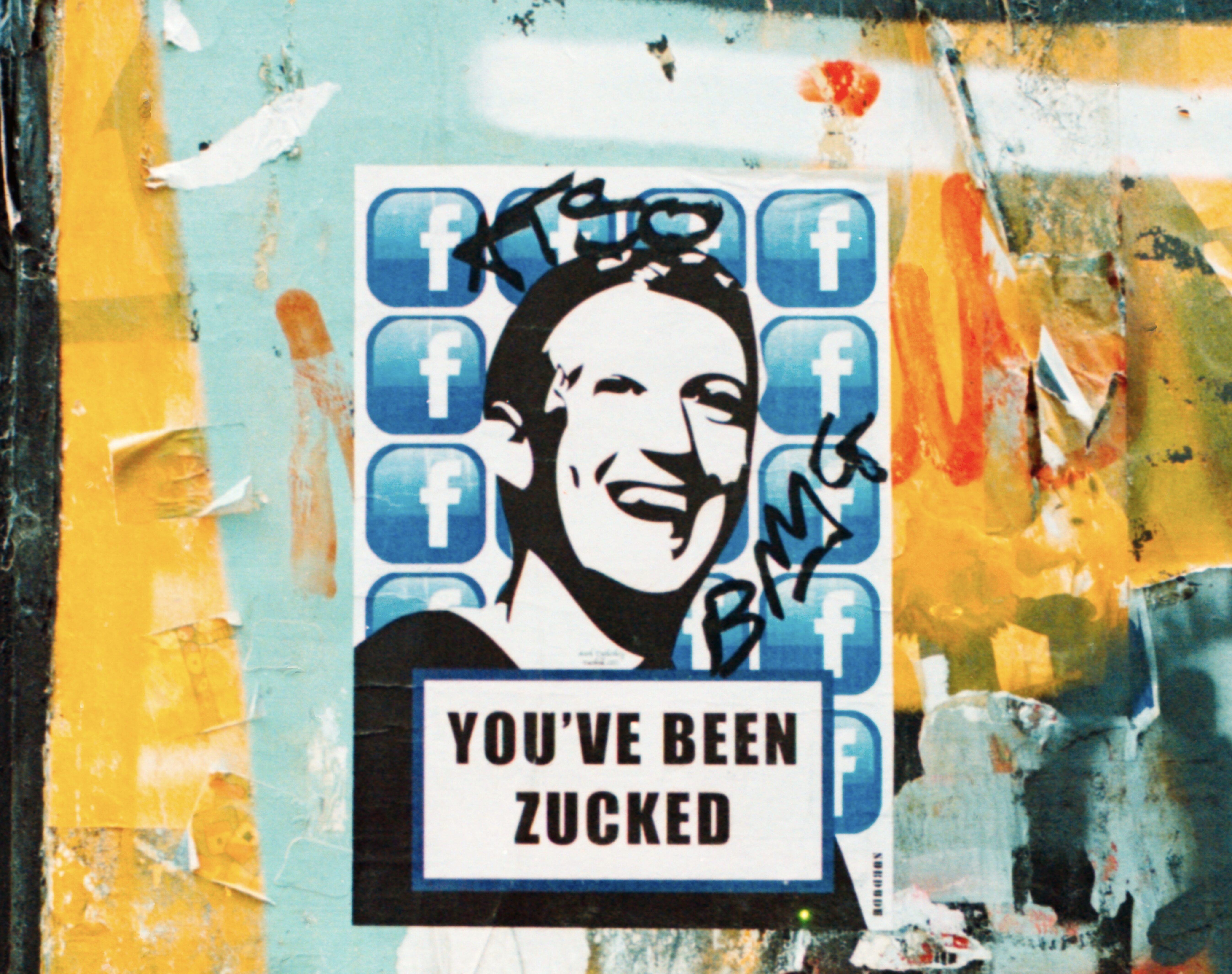
Notas de la comunidad en Meta: una nota sobre su comunidad
Meses atrás, Meta presentó un cambio sustancial en su estrategia de moderación de contenidos. En el centro de esta transformación se encuentra la suspensión de su programa de _fact-checking_ en ciertos países.
Latest news and analysis
Is Freedom of Expression Dead? A Roadmap for Free Speech in the Age of Democratic Backsliding
Highlights from our joint virtual panel with EFF: UN Special Rapporteur Irene Khan and digital rights experts unpack how democratic backsliding and tech monopolies are reshaping free speech worldwide
Notas de la comunidad en Meta: una nota sobre su comunidad
Meses atrás, Meta presentó un cambio sustancial en su estrategia de moderación de contenidos. En el centro de esta transformación se encuentra la suspensión de su programa de _fact-checking_ en ciertos países.
El futuro sombrío de los estudios de impacto en derechos humanos
Desde hace un tiempo el CELE ha investigado el uso de los "estudios de impacto en derechos humanos" en el ámbito de la tecnología. Sometidos a presiones regulatorias cruzadas, es probable que pronto pasen de moda.
WSIS+20: en riesgo el legado en materia de derechos humanos
Obstáculos a la participación significativa de la academia y la sociedad civil pone en riesgo el legado en materia de derechos humanos.
El juego no mirado: sobre avances en políticas antitrust
Una mirada al juego paralelo del antitrust, en Estados Unidos y Europa

En defensa del anonimato en las redes sociales
Periódicamente hay que defender el derecho a ser anónimo en internet.
Towards a regulatory threats comparative research agenda
It was our pleasure to host this online Symposium on regulatory threats

Threats of regulation are complex, but not enough to prevent oversight
Threats of regulation are a complex mechanism operating in all societies and sectors.
Jawboning and lawboning: comparing platform-state relations in the US and Europe
The concept of ‘jawboning’ refers to scenarios where the government pressures online services to moderate user content in ways going beyond
When does the bully pulpit become regular bullying?
Among the most important stories of the past generation is the transformational impact that the user-generated web, and social media platforms in particular, have had o
Political Capital and Informal Platform Governance
It’s widely understood by close observers of platform governance and content moderation — but perhaps less widely mentioned in the interdisciplinary academic literature
Amenazas regulatorias y desafíos metodológicos
Simposio online: Amenazas regulatorias y desafíos metodológicos Durante los últimos años, el CELE ha investigado el uso de amenazas por parte de funcionarios públicos como mecanismo de gobernanza de las plataformas de In
This is hard
I’ve been writing about jawboning and free expression law for half a dozen years.
Algunas notas sobre libertad académica
La semana pasada participé de un panel sobre libertad académica en la Global Free Speech Summit, convocada por el proyecto The Future of Free Speech.
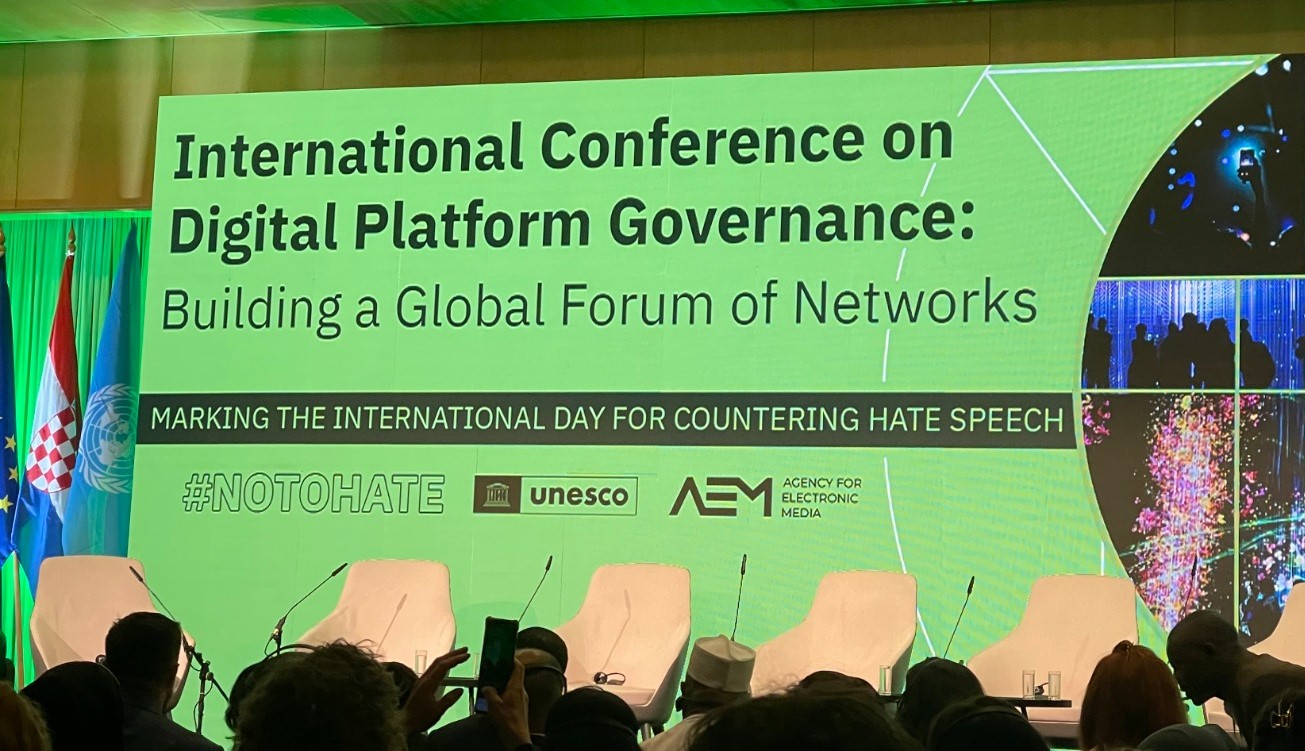
Participación del CELE en la International Conference on Digital Platform Governance
Algunas notas sobre un evento en Croacia sobre ""Building a Global Forum of Networks" de la UNESCO".
TikTok bajo amenaza en Estados Unidos y la Unión Europea
¿Qué implicaciones tiene para la libertad de expresión?

¿Gobernar mediante el acoso?
El difícil equilibrio entre amenazas ilegales y un gobierno eficaz.
Beyond Ethics: Why a Rights-Based Framework is Essential for AI Governance
In recent years, the issue of AI governance has gained significant attention, with various proposals and initiatives aiming to regulate and addre

Nueva publicación: “Community” in the Digital Realm
En el mes de octubre de 2021 el Proyecto de Sociedad de la Información de Yale junto a la Iniciativa Wikimedia sobre Intermediarios e Información.

Two problems for using Human Rights as Benchmarks in Human Rights Impact Assessments
In the last few years, CELE has been looking at how the ICT sector uses Human Rights Impact Assessments (HRIA) and other due diligence practices to assess their own conduct. Through a technical report we built a genealogy of the concept that clearly situated the impact assessments within the United Nations’ voluntary turn, at the beginning of the century, on the relationship between business and human rights. …
Why Engaging with Trust and Safety Matters: CELE's Contributions to the Digital Trust and Safety Partnership Glossary
Why Engaging with Trust and Safety Matters: CELE's Contributions to the Digital Trust and Safety Partnership Glossary Trust and Safety plays a vital role in the digital world, encompassing a range of practices used by pr

CELE at RightsCon 2023: our agenda and priorities
We are glad to share that this year we will be participating in RightsCon
CELE en el Día Mundial de la Libertad de Prensa
UNESCO mejora su borrador sobre regulación de plataformas, pero se necesitan más esfuerzos en el proceso
CELE at World Press Freedom Day: UNESCO is improving its draft on platform regulation, but more work is needed to enhance the process
The latest version of the draft guidelines, published on April 27th, constitutes a significant improvement in this regard, as mentions of vague and overly broad concepts such as “content that risks significant harm to democracy” or “harmful” and “toxic” content have been eliminated or significantly reduced.
Contenido legal pero dañino y poca previsión en la supervisión
La semana pasada tuve el honor y el gusto de participar en la conferencia organizada por Columbia Global Freedom of Expression Program: Regulating the online
La batalla por la inclusión es más que lingüística
Como puede verse, estamos frente a una discusión que no es meramente lingüística, sino que es eminentemente política y legal. Estamos hablando de palabras o de letras que operan en una lengua establecida con el pretendido objetivo de brindar visibilidad, representatividad y evitar la discriminación y desigualdad. Quizá por razones no del todo disímiles es que Brigitte Vasallo advierte que para lograr estos cambios el …
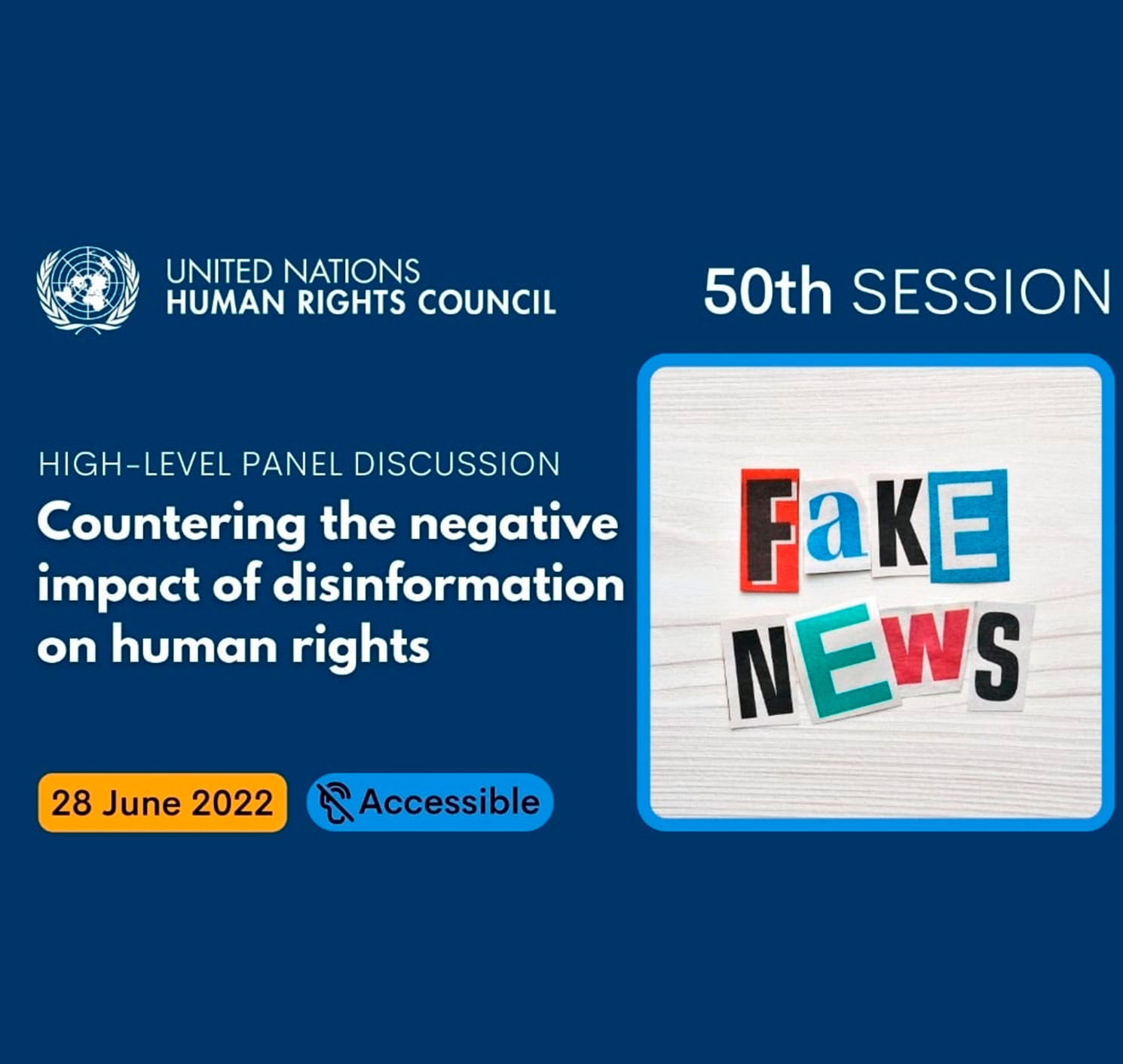
Panel de Alto Nivel del Consejo de Derechos Humanos de la ONU.
El panel estuvo constituido por la Relatora de Libertad de Opinión y Expresión de la ONU, Sra. Irene Khan, quien se refirió principalmente a las conclusiones de su informe de 2021; la Directora del CPSL (Content Policy and Society Lab) de Stanford y miembro del Oversight Board de Facebook, Julie Owono, quien habló de las medidas que las empresas deberían tomar frente a la desinformación y las decisiones del OB de …
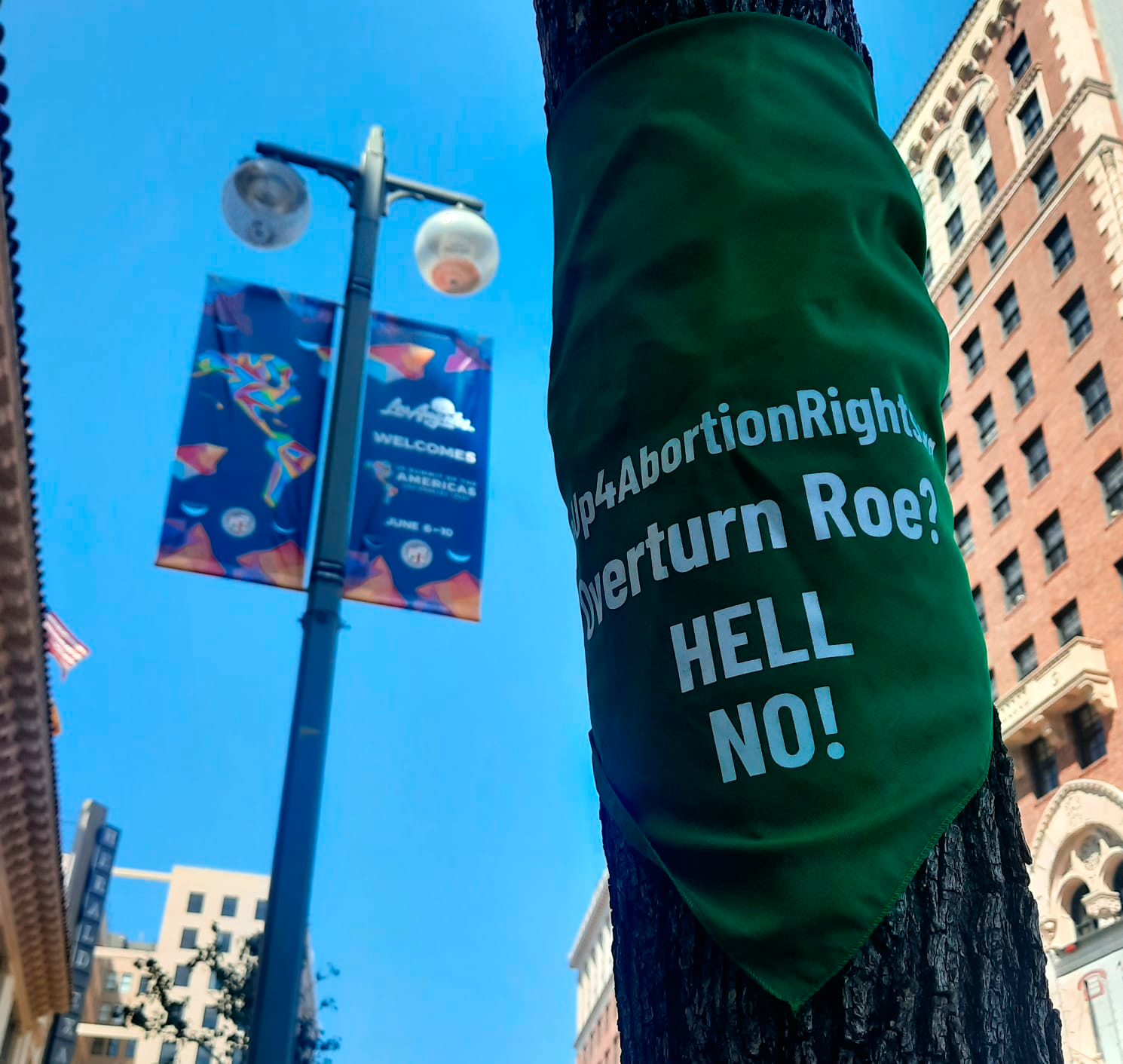
¿Qué cambios podemos esperar de las plataformas sin Roe v. Wade?
Vemos aquí cómo una decisión judicial, que reivindica iniciativas legislativas tendientes a criminalizar no solo el aborto sino cualquier medida que pueda entenderse como favorable al aborto, impactó en la información que circula en redes sociales en torno al tema. Con el objetivo de evitar responsabilidad civil e incluso penal por el contenido que permiten brindar en sus servicios, las empresas comenzaron a …
De la tecnocracia a la plutocracia
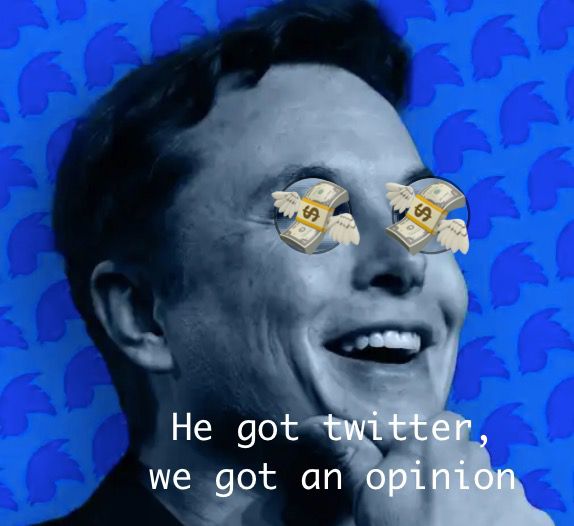
Permítanme poner sólo un ejemplo. Recientemente, el periodista argentino Gustavo Noriega se preguntó si la última tendencia corporativa de Twitter de reaccionar contra la desinformación está a punto de terminar ahora que Elon manda. Es un pensamiento interesante que vale la pena explorar. Supuestamente, Twitter está luchando contra la desinformación climática porque no cree en ella y la considera dañina para el …
No todo daño debe ser reparado
Llegados a este punto, podemos concluir que la libertad de expresión protege una serie de acciones dañosas y que por lo tanto no alcanza con que se verifique una afectación para calificar al contenido como manifiestamente ilícito ni para que se dispare la obligación de reparar. Esto no quiere decir, por supuesto, que el daño y la obligación de reparar por ciertas expresiones estén disociadas. Si bien haber sido …

No todos los usuarios son iguales (ni deberían serlo)
El discurso de funcionarios públicos y personas públicas puede ser igualado desde la perspectiva del potencial daño. Pero no es igual. Los funcionarios públicos tienen obligación de pronunciarse sobre ciertos temas por su labor, tienen obligaciones de decir verdad en ciertas instancias, y tienen penas incluso agravadas por manifestar falsedades. Como comprobamos con E Bertoni en un paper reciente, los actos …

@CELEUP #RightsScon Schedule
RightsCon https://www.rightscon.org/ celebra sus 10 años en los derechos humanos en la era digital y el @CELEUP forma parte una vez más de los eventos a los que convoca. Este año se realizara 100% desde la virtualidad po
Las empresas y los derechos humanos
Desde el CELE venimos trabajando sobre el uso de mecanismos de “evaluación de impacto” en materia de derechos humanos por parte de empresas del mundo de la tecnología y las comunicaciones, con especial foco en la libertad de expresión. El tema nos resultó tan interesante como algo ajeno al comienzo.
The #WorldPressFreedomDay conference UNESCO
Are there other framework solutions that we need to focus more on? What are they? Note: here I am thinking of big ideas, not more practical steps. At the level of transparency for intermediaries as a general way forward.
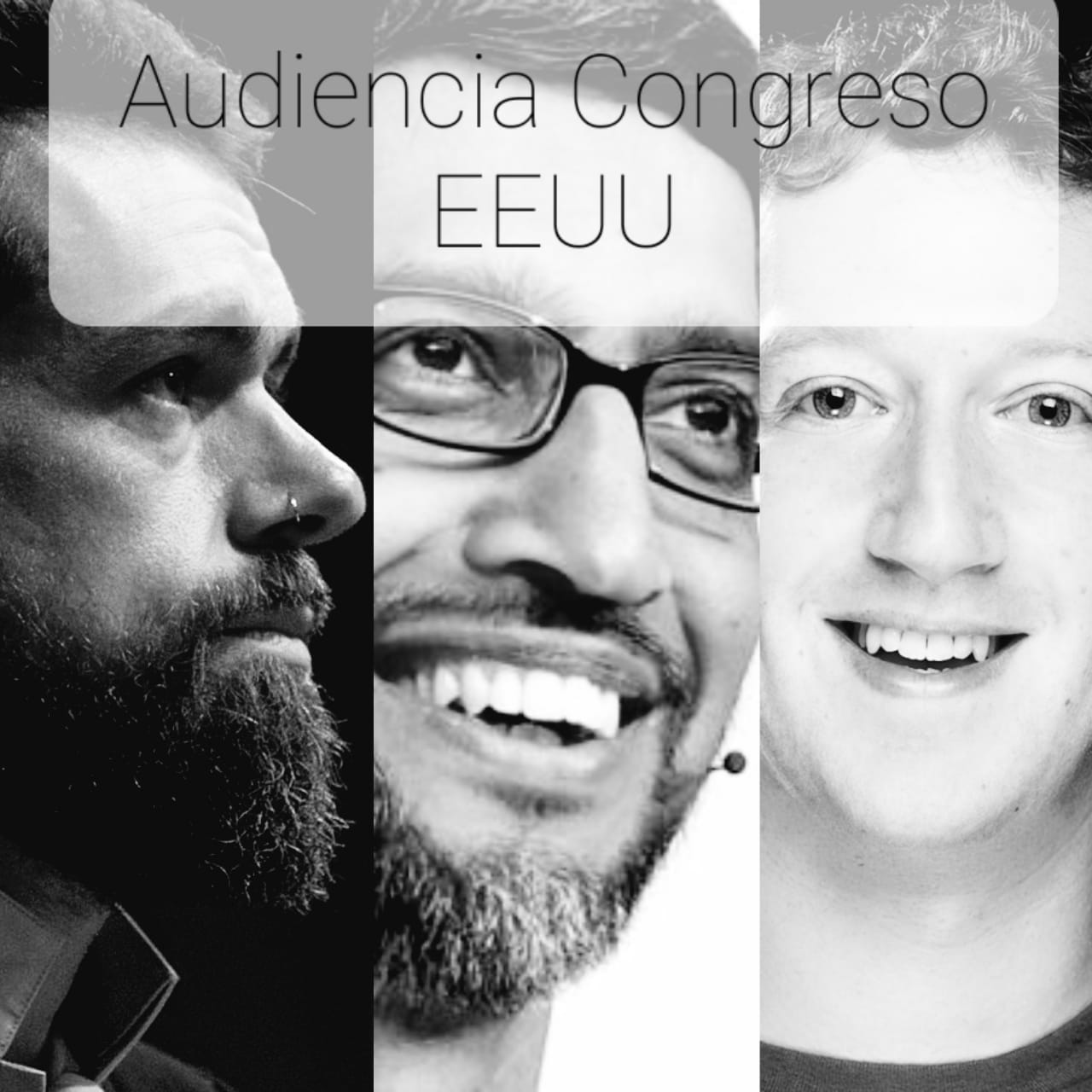
Lo bueno, lo malo y lo feo de la audiencia de las plataformas ante el Congreso de EE. UU.
Para conocer más sobre cómo las redes sociales controlan actualmente la desinformación, le recomendamos visitar letrachica.
LetraChica y el Oversight Board
La ‘corte suprema’ creada por Facebook para revisar los casos más emblemáticos de eliminación de contenidos de la plataforma ya tomó sus primeras decisiones. Sin duda, está pendiente la más importante: recordemos que el Consejo asesor de contenido –como se conoce formalmente– también tiene en sus manos la decisión final sobre la eliminación permanente de la cuenta del ex presidente Donald Trump.
La legitimidad de los nuevos gestores del debate público.
En enero de 2021, tras la toma del Capitolio de los Estados Unidos por parte de manifestantes de ultraderecha y 10 días antes de terminar su presidencia, Twitter suspendió indefinidamente la cuenta de @realDonaldTrumphtt
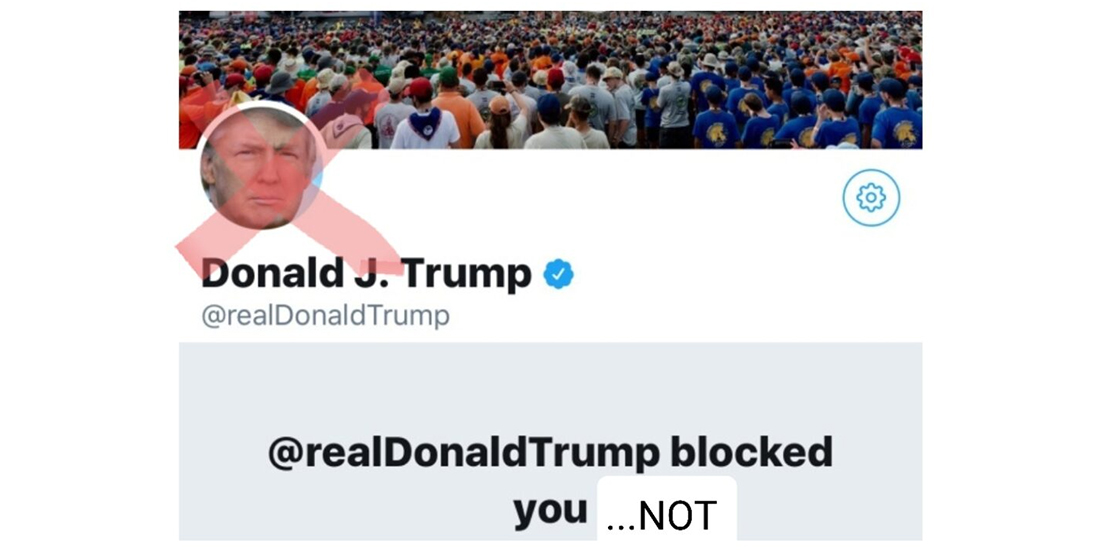
El ostracismo de Trump
La decisión de múltiples plataformas de excluir de sus servicios a Donald Trump importa un punto de inflexión en el presente de la democracia que aún no comprendemos cabalmente.
Construyendo Letra Chica
El uso de las redes sociales está mediado por las reglas que cada plataforma dispone para el comportamiento de sus usuarios en la comunidad. Conocidas como normas comunitarias, éstas establecen lineamientos para la creación de cuentas, uso de material de terceros y difusión de contenidos, entre otros. Para la mayoría de las personas, las normas comunitarias suelen pasar desapercibidas o sólo existen cuando …
CELE Director, Agustina Del Campo, presentation on the UN Forum on Minority Issues, Nov.19 &20
Thursday 19th, UN 13th session of Forum on Minority Issues. This year, the Forum reunites representatives of States, Civil society, specialists and academics to discuss Hate speech against minorities in social media. Our Director, Agustina Del Campo, was invited to join the panel on the regulatory and institutional framework against hate speech on minority issues. Our panel was asked to address the complementarity …
Las redes sociales el día después de las elecciones en EE.UU.
Les dejo unas preguntas para hacernos el día después de que terminen las elecciones en EE.UU., ¿es el temor el que debe guiar el desplazamiento de las líneas rojas que protegen los discursos políticos, nuestro derecho a informarnos y a conocer a quienes quieren dirigirnos durante las elecciones? O ¿son las reglas del proceso electoral las que deben garantizar que esto suceda favoreciendo más información, no menos?, …
Estudio sobre la Junta de Supervisión de Facebook: modificar las expectativas
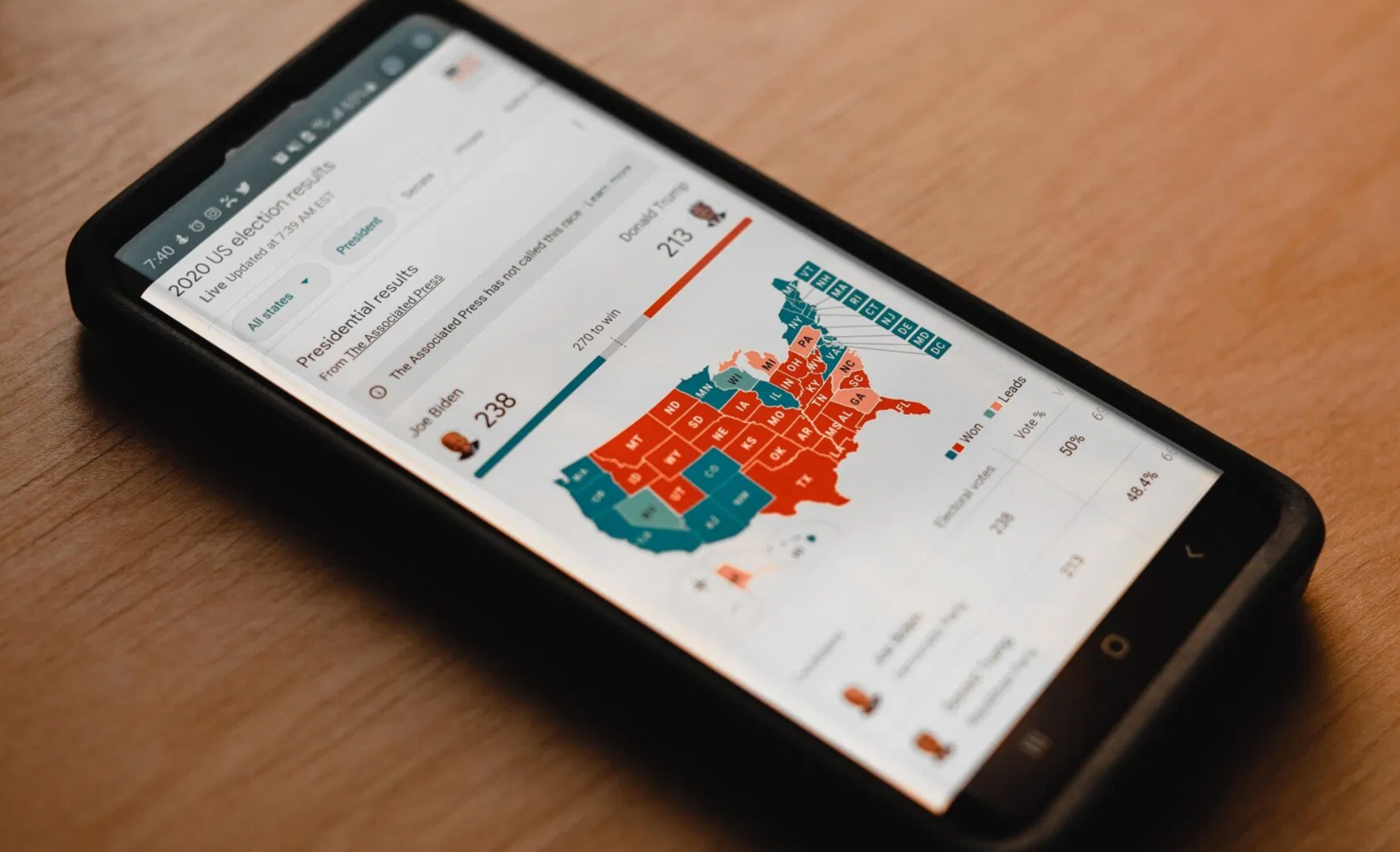
La Corte Penal Internacional es conocida comúnmente como la "Corte mundial". Con el anuncio de Facebook de crear un organismo independiente para examinar la aplicación y el cumplimiento de sus condiciones de servicio en

TikTok got serious! Una nueva forma de protesta
Durante las últimas semanas fuimos testigos de las masivas protestas del movimiento Black Lives Matter, que llevó a cientos de miles de personas en Estados Unidos y en el resto del mundo a manifestarse en contra del raci
Sumando contexto: La editorial de Zuckerberg, el conflicto Twitter-Trump y la responsabilidad de intermediarios frente a problemas sociales de larga data
El jueves 18 de junio el diario Clarín re-publicó una editorial de Mark Zuckerberghttps://www.clarin.com/opinion/facebook-alentara-voto-participacion-diversidad-voces-elecciones-ee-uu-07zYD2-ubr.html, fundador y CEO de F
Facebook bajo la lupa: excepciones de interés periodístico y discurso político
Atento la relevancia de los temas de libertad de expresión, vigilancia y privacidad, patrullaje y censura privada y pública en este momento tan particular a nivel mundial y local, re publicamos un artículo que nos parece pertinente, atinado y actual.

El rol activo de las plataformas en tiempos de pandemia: un repaso de sus políticas y los vacíos que comienzan a surgir
La irrupción de la pandemia de COVID19 ha dejado al mundo entero en vilo. Mientras investigadores, médicos y científicos están poniendo el ojo sobre posibles soluciones o respuestas que atenúen la propagación del virus,

Libertad de expresión: entre la lógica y la democracia
Un problema de lógica simple para nuestros estudiantes hogarizados en plena pandemia: 1. El diario “Mentirulo” difunde “Fake news” por internet. La plataforma hace una verificación de datos a través de métodos de fact ch

Publications
What we can and cannot expect from the exercise of public functions by private platforms
CELE Research Paper No. 75Platforms have been increasingly assuming functions that do not differ much in nature from those performed by states: rule-making, adjudication, and enforcement authority over users' expressions and conduct. What began as voluntary self-regulation, enabled by legal architectures such as Section 230 of the Communications Decency Act and the EU's e-Commerce Directive, has evolved into a model of outsourced governance in which states mandate private, profit-seeking actors to perform quasi-public functions, stripped of …
Rullying by Bullying. Threats of regulation as an internet governance device
Internet Policy Review, Vol. 15, No. 1.Government by regulation structures how constitutional democracies normally operate. Legislatures and executive agencies enact formal rules that govern conduct, embodying the ideal of government by laws rather than by individuals. Yet regulators also govern through threats of regulation. When public officials seek to alter private behavior, they may warn regulated actors that failure to comply will trigger new or stricter rules. These warnings can achieve regulatory goals without the adoption of formal rules. …
Legal Approaches to Hate Speech Within the Internet Ecosystem: Speed, Scope, and Scale
CELE Research Paper No. 70SSRN ID: 5557303The debate over how to de"ne hate speech, particularly in the online world, is far from settled. Defnitions from international documents are still vague and ambiguous, whereas States around the world have been adopting in their respective legal systems diverse definitions of hate speech. In this context, some States may have stepped beyond the thresholds established under international human rights law by using this concept as a way of categorizing ideas that the majority or those in power may f
Trust and Safety's Blindspots: A Latin American Perspective
CELE Research Paper No. 68, forthcoming in Maia Levy Daniel, Amanda Menking, Marlyn Thomas Savio, & Jean Claffey, Trust, Safety, and the Internet We Share: Multistakeholder Insights, Abingdon, United Kingdom: Taylor and Francis (flate 2025)SSRN ID: 5355934Trust and safety is slowly but steadily emerging in the United States as an independent field of study and practice. Several initiatives-such as the recent Glossary of Trust and Safety Terms issued by the Digital Trust and Safety Partnership (DTSP)-are attempting to lay the groundwork for a common language among researchers, corporate officials, and practitioners who routinely take part in a set of practices designed to manage the way some internet services are used. A set of normative goals are
Emerging Technologies and Human Rights from the Perspective of the Inter-American Legal Framework
CELE Research Paper No. 71SSRN ID: 5812182This article seeks to introduce the main challenges posed by emerging technologies and highlight some human rights standards within the framework of the Inter-American Human Rights System (SIDH) that can contribute to the debate and guide responses. Without aspiring to an exhaustive analysis, the text will lay the foundation for future, more in-depth research, identifying critical areas of concern and the relevant legal instruments within the IAHRS. This document is based on four previous essays
Old Standards, New Challenges: Keys to Addressing Internet Disinformation in Inter-American Jurisprudence
CELE Research Paper No. 63SSRN ID: 5159253On May 3, 2020, as part of World Press Freedom Day and just a few months into an unprecedented health emergency, the UN Secretary-General stated that disinformation had become the “second pandemic.” More recently, a resolution of the United Nations Human Rights Council described disinformation as “a threat to democracy.” In the Inter-American sphere, the Inter-American Commission on Human Rights (hereinafter, IACHR) highlighted that the region is at a turning point, characterized in large part b
Best Practices to Guide Dialogue between the Judiciary and the Press. A Guide for Judges and Journalists
CELE Research Paper No. 29SSRN ID: 5138099In the relationship between the judiciary and the press there are a series of conventions and habits that have shaped a culture of legal and judicial information over the years. Often, this culture generates a series of tensions between both actors, which also affects public opinion. In this framework, the Center for Studies on Freedom of Expression and Access to Information (CELE) with the support of UNESCO present a Guide of Recommendations aimed at contributing to the construction of a bond o
Alternative Solutions to Disinformation: Addressing Sources Instead of Distribution
CELE Research Paper No. 62SSRN ID: 5158743In the increasingly concentrated online public sphere, the easiest and fastest way to tackle content perceived as dangerous, such as disinformation, is to control its dissemination. In recent years, internet companies have increasingly removed or blocked content—including that of heads of state—labeled expressions, banned the sale of certain goods, demonetized or prohibited content that questions official sources of information, and implemented verification mechanisms, warnings, and contextualiz
On the Metaphor of Social Media as a Public Forum in the United States
CELE Research Paper No. 60SSRN ID: 5158664The goal of this study is to define the scope of the public forum doctrine in the United States and assess its applicability to social media. Although this research is conducted from a Latin American perspective, the focus on the United States is justified for two reasons. First, one of the earliest explicit references to social media as public forums emerged in the United States. Second, the United States has a well-established body of case law on the public forum doctrine, where its nuances an
Online gender-based violence and freedom of expression: a study of six cases in Paraguay
CELE Research Paper No. 59SSRN ID: 5157887This study focuses on the application and potential misinterpretation of Law 5777/16 in Paraguay, which addresses comprehensive protection for women against all forms of violence, and the use of its precautionary measures in cases of public interest that may negatively impact freedom of expression. The first part of the research analyzes Paraguay’s National Constitution in relation to the protection of freedom of expression, as well as the international standards established by the Inter-America
This research will define OSINT as the collection and analysis of open-source data—whether personal or not—for a specific purpose. That purpose may or may not be for-profit; related to surveillance, scientific or academic research; or purely personal. This paper aims to serve as an initial diagnosis to provide conceptual clarity to the definition of OSINT by analyzing potential violations of fundamental rights, especially those that affect the right to privacy. It will also include international
Platform Oversight: A Neglected Link in Internet’s Regulatory Futures
CELE Research Paper No. 56SSRN ID: 5157829Since the mid-2000s, there have been multiple and wide-ranging proposals for traditional regulation, co-regulation, and self-regulation of digital platforms and Internet companies. The proliferation of regulatory proposals, framework agreements between states and companies, and unilateral commitments by multiple companies have generated a system of rules of a different legal nature that impact the functioning and conduct of the Internet intermediary ecosystem. Still, while substantive standards
Requiring the Local Presence of ICT Companies: An International Human Rights Law and International Economic Law Perspective
CELE Research Paper No. 55SSRN ID: 5157351Recently, we have seen a proliferation of laws and legislative proposals worldwide that impose the creation of some form of legal-commercial link or local connection between information and communication technology (ICT) companies—mainly social media platforms—and the countries where they operate. Depending on the case, the chosen method to achieve this objective involves requiring a commercial presence, appointing a local representative, localizing data, or hiring local personnel. These initiat
Legislation and its Effects: Some Experiences from Comparative Law
CELE Research Paper No. 52SSRN ID: 5156714Assessing the impact of enacted laws in terms of human rights is particularly relevant when considering freedom of expression. The role of state regulations in shaping public debate has been a central concern for those who have reflected on freedom of expression from the outset. Regardless of differing views on the state’s role in protecting this right, it is undeniable that the state is a key actor. Therefore, it is essential to have mechanisms that allow us to evaluate the consequences of its
Are Public Officials’ Lies Unsustainable or Do they Have Far Reaching Effects?
CELE Research Paper No. 51SSRN ID: 5156671State responses to the recent “crisis” caused by misinformation in social media have mainly aimed at penalizing its authors or establishing liability for those who facilitate its dissemination. Internet companies, especially large platforms, have deployed numerous techniques, measures, and instruments to address the phenomenon. However, little has been done to identify the origin of misinformation and evaluate the phenomenon in light of specific obligations from certain sectors. In this paper we
Disinformation in Democracy or the Democracy of Disinformation?
CELE Research Paper No. 50SSRN ID: 5154679Disinformation on the Internet has been the object of concern and action by multiple actors. While at first the measures were more targeted to train and cooperate in detecting false news, there are currently more and more measures whose implementation involves censorship, blocks, controls, and persecution. This article critically analyzes some of the measures adopted by the state, Internet companies, and the media in recent years and raises some unanswered questions in the search for answers.
The New Normal? Disinformation and Content Control on Social Media during COVID-19
CELE Research Paper No. 48SSRN ID: 5154565This document addresses the measures that Facebook, Twitter, and YouTube implemented to address problematic content related to COVID-19 on their platforms. Known mainly as community guidelines, these rules are the basis for the moderation actions carried out by these services on user content. The main purpose of this paper is to understand the impact that COVID-19 had on community guidelines.
Fake News on the Internet: Actions and Reactions of Three Plataforms
CELE Research Paper No. 46SSRN ID: 5154525In the past four years, online misinformation has become a seemingly novel threat to Western democracies. This threat surfaces in a time of anxiety about the future: democratic systems appear to be going through a crisis as a result of the consolidation of political options that, even if they do not openly reject democratic procedures and formalities, erode them from the inside. It is in this context that the phenomenon of disinformation must be addressed. In general, anxiety about democracy pro
Human Rights Impact Assessments: Trends, Challenges, And Opportunities for ICT Sector Adoption
CELE Research Paper No. 45SSRN ID: 5152219In our previous work, we sought to place human rights impacts assessments (HRIA) within their history. We showed how the institute comes from a set of corporate practices that rest uncomfortably within different frameworks. On the one hand, HRIAs stem from the environmental impact assessments developed in the 1960s and 1970s as the legal and procedural mechanism to ensure that private companies respect minimum environmental standards defined by law and enforced by administrative agencies. On the
Disinformation in Democracy or Democracy of Disinformation?
CELE Research Paper No. 44SSRN ID: 5152211Disinformation on the Internet has been the subject of concern and action by multiple actors. While at first the measures were more geared towards training and collaborating in the detection of fake news, more and more measures are being implemented that involve censorship, blockages, controls and persecution. This article critically analyses some of the measures adopted by the State, Internet companies and the media in recent years and raises some pending questions in the search for solutions.
ICT and Human Rights: Towards a Conceptual Framework of Human Rights Impact Assessments
CELE Research Paper No. 43SSRN ID: 5152205The development of Human Rights Impact Assessments (HRIAs) has gained increasing attention as a tool for evaluating the intersection between corporate practices and human rights. Initially framed within the United Nations Guiding Principles on Business and Human Rights (UNGPs) , particularly the “Protect, Respect, and Remedy” (PRR) framework developed by John Ruggie, HRIAs have been largely applied in sectors such as extractive industries. However, their potential role in the Information and Com
Democratic Rule of Law and Internet Governance: The Key Role of Judicial Operators
CELE Research Paper No. 40SSRN ID: 5152126A key part of what we understand as multistakeholder internet governance is defined by what we consider to be stakeholders: governments, the private sector, organized civil society, academia, and the technical community. It goes without saying that each of these broad actors conceptually encompasses a wide range of other players with different (and sometimes even opposing) roles and interests. However, it is not uncommon for governance spaces to feature representatives who assume the role of an
Institutional Development in Internet Governance and Civil Society Participation: An Assessment of Challenges and Prospects from the Technical Community Perspective
CELE Research Paper No. 41SSRN ID: 5152133This brief essay evaluates the role of civil society organizations from the perspective of someone who has been involved in internet governance for a decade as a member of the academic and technical communities. In addition to a historical assessment, the text: (i) highlights the importance of plurality and diversity in discussion and deliberation processes on technical and public policy issues related to the internet; and (ii) describes the main challenges in coordinating various sectors, parti
Considering Facebook Oversight Board: Turning on Expectations
CELE Research Paper No. 37SSRN ID: 5152017The International Criminal Court is popularly referred to as the “world Court”. With Facebook’s announcement to create an appeals, independent body to review the application and enforcement of its terms of service over its 2.7 billion users all around the globe, the term “World Court” probably gained at least one more, new-found meaning. Since the creation of this body launched there have been advocates for and against it. The common lines among both sides is that 1) this is a …
The Implementation of "Digital Oblivion": Forgetting the Details
CELE Research Paper No. 33SSRN ID: 5146420Technological advancement and the expansion of the Internet have transformed the way information is stored, shared and accessed. However, this permanent access poses significant challenges in terms of privacy, reputation and freedom of expression. The “right to be forgotten” emerges as a tool to address these issues, especially when the published information negatively affects a person’s life, even if it is no longer relevant today. The concept of “digital oblivion” gained notoriety with the rul
Content Moderation and Private Censorship: Standards Drawn from the Jurisprudence of the Inter-American Human Rights System
CELE Research Paper No. 32SSRN ID: 5146372This submission seeks to bring some of the standards that could be drawn from the Inter-American Human Rights System to the questions posed by the Rapporteur in his call for submissions on Private content regulation in the digital age. In the words of the Rapporteur, “Private companies facilitate an unprecedented global sharing of information and ideas. Social and search platforms in particular have become primary sources of news and information (and disinformation) for hundreds of millions of p
Fake News on the Internet: The Strategy to Combat Misinformation
CELE Research Paper No. 30SSRN ID: 5138107The article explains the measures that Facebook and Google have announced to combat misinformation and includes a brief reference to YouTube and Twitter. Likewise, the paper attempts to determine what the geographical coverage of these measures will be. Subsequently, as a conclusion, it exposes what the problems behind the proposed solutions may be in four points: i) scale and time, ii) impact, iii) the role of civil society and iv) transparency.
Markets, Ownership, Expression and Personal Use: The Copyright System
CELE Research Paper No. 24SSRN ID: 5138083CELE Research Paper No. 24
The ‘Internet of Things’: More Internet than Anything Else
CELE Research Paper No. 23SSRN ID: 5138077CELE Research Paper No. 23
CELE Research Paper No. 22
Towards a Comprehensive Public Information Management Policy: Everything we Always Wanted to Know About Archives (and Never Dared to ask Access to Information)
CELE Research Paper No. 19SSRN ID: 5138071CELE Research Paper No. 19
Freedom of Expression Versus Freedom of Speech: Copyright Protection as an Internal Tension
CELE Research Paper No. 17SSRN ID: 5137996CELE Research Paper No. 17
Net Neutrality: The Tension Between Non-Discrimination and Management
CELE Research Paper No. 16SSRN ID: 5137990CELE Research Paper No. 16
The Housekeeper’s Keys: The Strategy of Internet Intermediaries and Its Impact on the Digital Environment
CELE Research Paper No. 14SSRN ID: 5125903CELE Research Paper No. 14
Right to be Forgotten: Between Data Protection, Memory, and Personal Life in the Digital Age
CELE Research Paper No. 12SSRN ID: 5125891CELE Research Paper No. 12
Surveillance on the Web: What Does It Mean to Monitor and Detect Content Online?
CELE Research Paper No. 7SSRN ID: 5125780CELE Research Paper No. 7